Why Upgrade Your LaSalle Bristol Overhead Cabinet Latch?
Every RV owner knows the frustration of a cabinet door swinging open mid-turn. For LaSalle Bristol overhead cabinets, the original plastic cam latches are reliable for light use but can fatigue over time. Upgrading to a metal or reinforced latch transforms how you travel, eliminating rattles and preventing spills. This guide walks you through selecting and installing a latch that keeps your overhead storage secure mile after mile.
How Does a Worn Latch Affect Travel Safety?
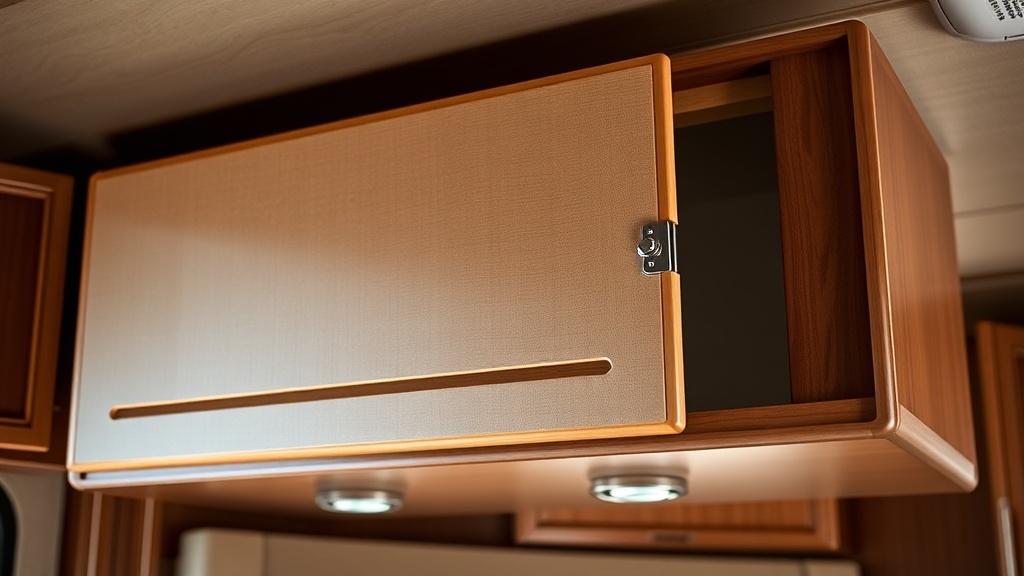
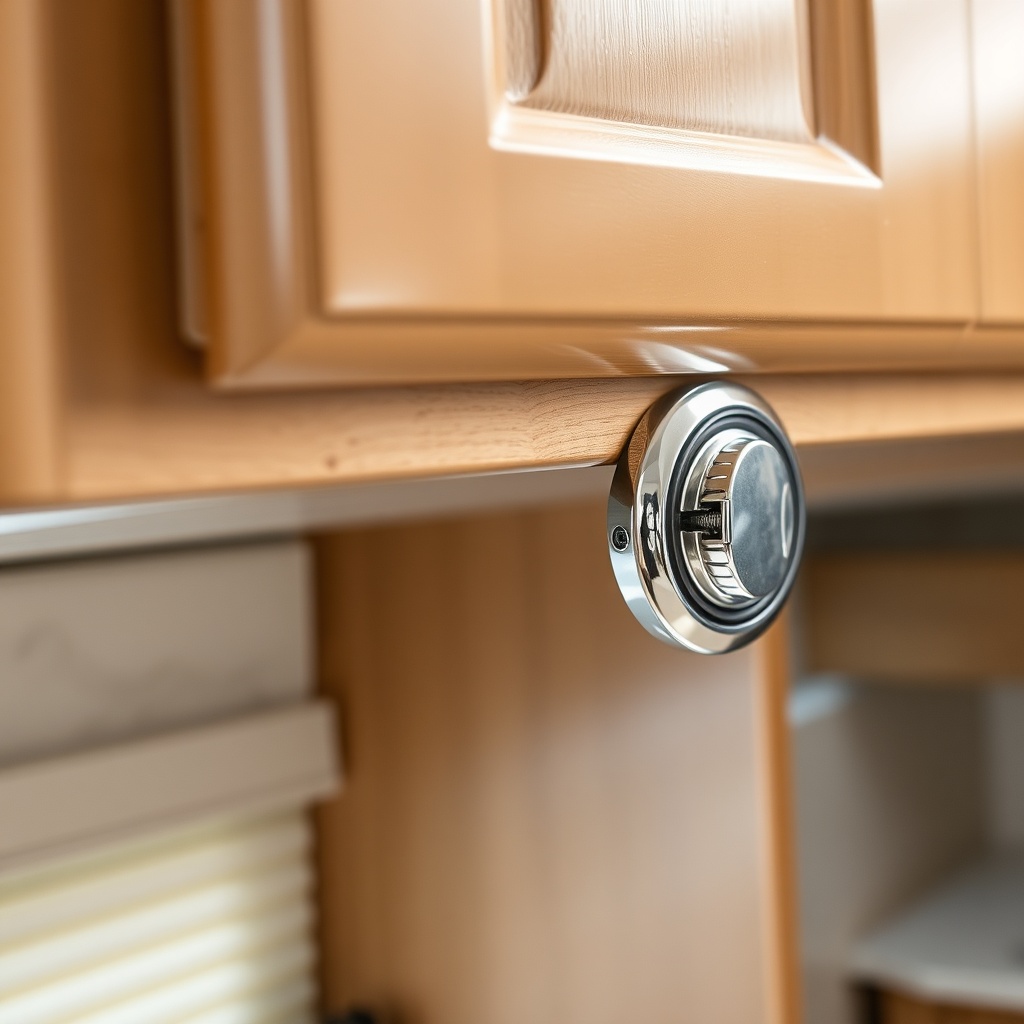
The stock LaSalle Bristol overhead cabinet latch uses a simple spring-loaded plastic hook. After repeated cycling, the hook can develop cracks, and the spring loses tension. During a sudden stop or sharp turn, the door can bounce open, releasing heavy items like canned goods or glassware. A two-door cabinet opening while driving can block the driver’s view in a Class A motorhome or shower an occupant with gear in a travel trailer.
Safety isn’t the only concern. A loose latch allows the door to vibrate against the cabinet frame, wearing down the vinyl edge trim and creating annoying noise. Upgrading to a positive-locking mechanism, such as a compression latch or a child-proof metal toggle, eliminates these risks. Many owners find that a simple latch swap is the most cost-effective improvement they can make for peace of mind.
| Symptom | Severity Level |
|---|---|
| Door rattles gently on rough roads | Usually Not Urgent – Tighten existing screws; check the latch alignment |
| Latch hook visibly cracked or missing plastic | Needs Attention Soon – Replace latch before next long trip to prevent cabinet opening |
| Door swings open during moderate braking | Needs Attention Soon – Immediate replacement recommended for safety |
| Full cabinet contents spilled while driving | Must Repair Immediately – Replace both latch and any damaged cabinet hardware now |
Which Aftermarket Latch Works Best with LaSalle Bristol Cabinets?
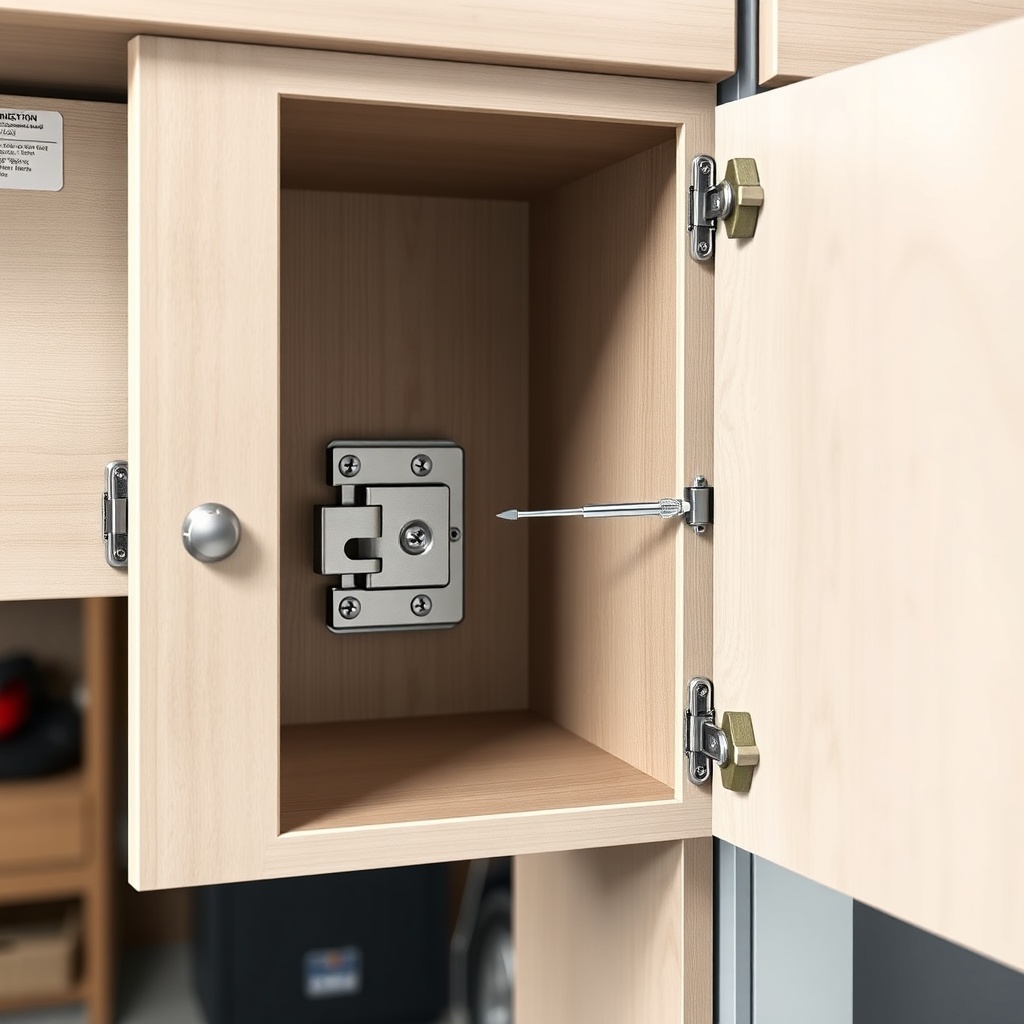
The most popular upgrade is the Southco R4-10 series compression latch. It uses a cam that tightens against a striker plate, drawing the door snug against the cabinet frame. The twist-to-release action holds securely even on rough terrain. Another strong option is the bag latch style used in marine applications, which uses a rubber ball that pushes into a socket. This eliminates rattles completely but requires careful alignment during installation.
For those wanting a factory-like appearance, Trimark offers a plastic cam latch with a metal spring that improves on the original design. When installing, always measure the existing hole pattern on your LaSalle Bristol overhead cabinet. Most cabinets use a 1-1/8 inch diameter hole set 1-1/4 inches from the hinge edge. Screw spacing is typically 1-5/8 inches on center. Selecting a latch with these exact dimensions avoids needing to fill and drill new holes.
A tool-free installation kit is available from most RV supply stores around $15–25 USD per latch. For a two-door cabinet, budget $30–50 USD for a complete upgrade. The installation time is about 10 minutes per door with a Phillips screwdriver and a drill for pilot holes if the original hole pattern differs.
Can I Install a Magnetic Catch Instead of a Mechanical Latch?
Magnetic catches are an option, but be cautious. LaSalle Bristol overhead cabinets in motorhomes and travel trailers are subject to G-forces during turns that can exceed the holding power of most residential-grade magnets. A high-strength neodymium magnet catch designed for RVs (rated at 20 pounds or more pull force) can work well for lightweight doors with only paper or clothing inside. For cabinets storing heavy cookware or food, a mechanical latch is safer.
If you choose a magnetic solution, pair it with a secondary nylon strap or a child-safety lock as backup. The benefit of magnets is silent operation and no moving parts to wear out, but they offer zero resistance to a door prying open from the side under inertia. Most experienced RVers stick with mechanically-latching options for overhead cabinets that store anything heavier than a few pounds.
How Much Does a Professional Latch Upgrade Cost?
If DIY installation seems intimidating, dealership or mobile RV technician labor runs $50–100 USD per hour, with most latch swaps taking 30 minutes or less. A typical quote for replacing all four overhead cabinet latches in a standard Class C motorhome is $150–200 USD, including the parts. Independent RV repair shops often charge less than dealership service centers, but always ask for a flat-rate quote to avoid surprises.
Consider that the stock LaSalle Bristol overhead cabinet latch is a common failure point across many RV brands. Upgrading all latches at once saves on service call fees. If you already have access to the overhead cabinets for other repairs, combine the latch upgrade with a thorough cleaning and inspection of the cabinet mounting screws. Loose cabinets can often be tightened during the same visit.
What Do Owners Say About Upgraded Latches?
Long-time full-timers report that upgrading to compression latches eliminated the constant “click-clack” noise that bothered them for years. One owner noted that after a 3,000-mile trip, none of his coffee mugs had moved an inch inside an upgraded overhead cabinet. Another shared that the child-proof toggle latches were so secure their toddler couldn’t open the cabinet, though the twist action was harder for older fingers with arthritis.
A common observation from Roof Storage Maximization with LaSalle Bristol Overhead Cabinets readers is that upgraded latches pair perfectly with aftermarket shelf inserts. When shelves stay organized and doors stay shut, overall storage efficiency doubles. Some owners prefer the OEM aesthetic of black plastic latches from Trimark, while others appreciate the industrial look of Southco metal versions. The consensus is that any upgraded latch beats the original, especially for those who travel often on rough roads.
Frequently Asked Questions
Q: I have a 2005 motorhome with LaSalle Bristol cabinets. Will newer latches fit the same screw holes?
A: Many latch brands use a 1-1/8 inch diameter cutout and 1-5/8 inch screw spacing, which matches the factory LaSalle Bristol hole pattern. Measure your current latch to confirm before ordering. If the pattern is slightly different, you can carefully drill new pilot holes and fill the old ones with wood filler.
Q: Can I use household cabinet latches in my RV?
A: Household latches are not built for the vibration and motion of an RV. They will loosen quickly and the springs may fail. Always use RV or marine-rated latches that are designed to handle lateral forces during turns.
Q: How do I stop the cabinet door from rattling even with a new latch?
A: If the door still rattles, the cabinet itself may have shifted. Check the mounting screws on the cabinet frame. For persistent noise, add clear silicone bumper pads where the door meets the frame. Compression latches also naturally reduce rattling by pulling the door tight.
Q: Are there latches that lock with a key for added security?
A: Yes, many aftermarket latches, including the Southco R4-10 series, offer key-lockable options. These are useful for overhead cabinets above the driver or passenger seat that could open and obstruct the windshield.
Q: My latch is broken, but the cabinet itself needs repair. Should I fix both?
A: Absolutely. Check the cabinet frame for cracks or loose screws before installing a new latch. For structural cabinet issues, see our LaSalle Bristol Overhead Cabinet Warranty & Repair Guide for steps on warranty claims and professional repair options.
Q: What tools do I need to replace a latch myself?
A: You need a Phillips screwdriver, a drill with a 1/8 inch bit for pilot holes (if the new latch uses a different screw pattern), and possibly a flathead screwdriver to pry the old latch out. Most replacements take under 15 minutes per door.
For additional storage improvements, consider DIY Shelf Inserts for LaSalle Bristol Overhead Cabinets to maximize the space behind your newly secure doors.