
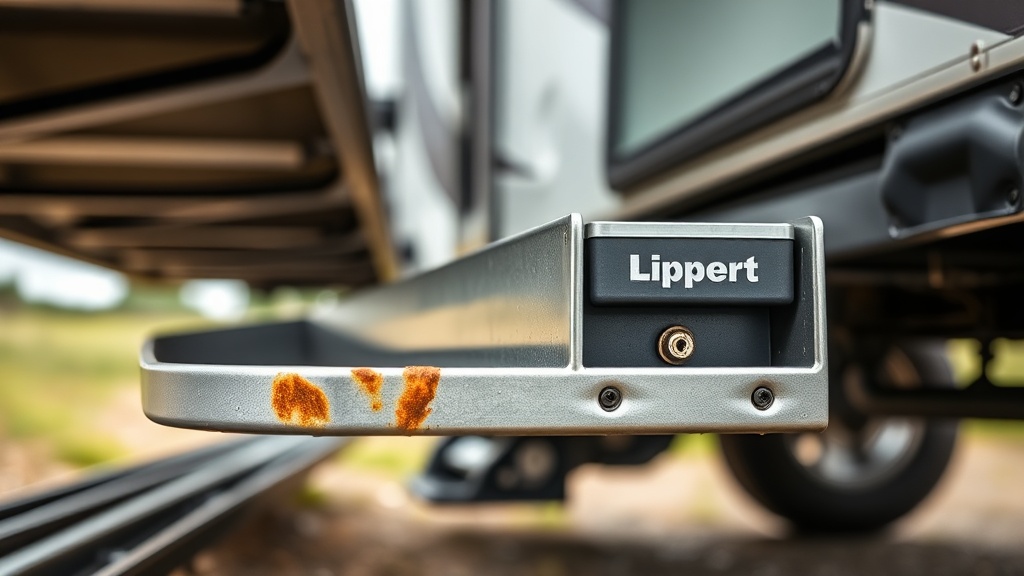
Lippert Slide-Out Storage Tray Rust Prevention & Maintenance: Keep Your Gear Secure and Your Tray Rolling Free
Rust is the silent enemy of any steel accessory on your RV, and the Lippert Slide-Out Storage Tray is no exception. Without regular care, road salt, moisture, and debris can turn a smooth-operating tray into a frustrating, corroded mess. This guide covers practical, proven strategies to prevent rust, maintain the slide mechanism, and extend the life of your Lippert tray—saving you time, money, and hassle.
What Causes Rust on Lippert Slide-Out Storage Trays?
Corrosion typically starts where the tray’s frame meets road spray, condensation, or trapped moisture. The primary culprits include:
- Road salt and brine: Common in winter or coastal driving, salt accelerates oxidation on exposed steel.
- Standing water: Pooled water in the tray’s channels or between the slider rails can erode paint and promote rust.
- Undercarriage debris: Mud, sand, and gravel trap moisture against the metal, especially around the pivot points.
- Galvanic corrosion: Dissimilar metals (steel frame, aluminum or stainless steel hardware) can react in the presence of an electrolyte like road salt.
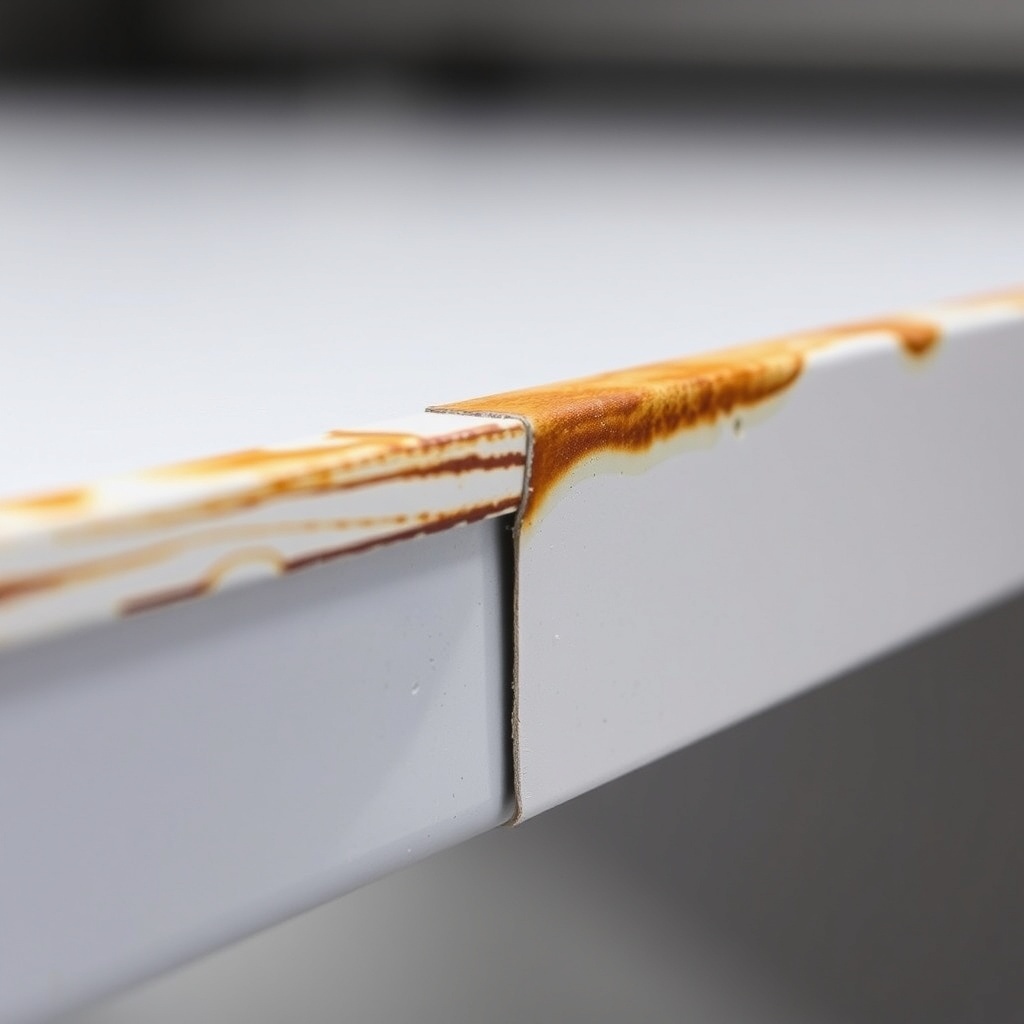
Most Lippert trays use a powder-coated finish from the factory, but this coating can chip or wear over time. Regular inspections catch early rust spots before they compromise the structural integrity or slider function.
For a full breakdown of how to install your tray correctly and avoid weight-related stress that can chip paint, see our Lippert Slide-Out Storage Tray Installation & Weight Capacity Guide.
How Often Should You Inspect and Clean the Slides?
A simple rule: inspect after every long trip (over 500 miles) and at least every 3 months for seasonal RVers. If you drive in snow or near the coast, increase this to after every trip. Cleaning is straightforward:
- Retract the tray fully.
- Use a pressure washer (under 2,000 PSI, held at least 18 inches away) to blast off mud and salt from underneath and around the slide rails.
- Wipe down the visible steel surfaces with a microfiber cloth and a mild degreaser (like Simple Green diluted 1:1).
- Dry thoroughly with a clean rag—never let water sit on the tray after cleaning.
- Apply a dry-film lubricant (like Tri-Flow or Boeshield T-9) to the slide rails and pivot points. Avoid wet oils that attract dirt.
| Severity Level | Signs & Recommended Action |
|---|---|
| Usually Not Urgent | Light surface rust on less than 5% of tray surface, no flaking or pitting. Action: sand with 220-grit paper, wipe with rust converter, and repaint with spray-on rust-inhibiting enamel (e.g., Rust-Oleum). |
| Needs Attention Soon | Rust visible on slide rails, around welds, or inside channels; or flaking in patches covering 10%+ of tray. Action: remove tray from RV, wire-brush entire frame, apply two coats of primer and a matching topcoat. Check slider alignment. |
For a side-by-side comparison with other brands, check out our Lippert Slide-Out Tray vs. MorRyde: Which Is Best for Your RV? analysis.
What Are the Best Rust-Prevention Coatings?
Factory powder coating is the baseline, but aftermarket treatments can add years of life. Here’s what works well:
- Fluid film: Lanolin-based spray that self-heals and won’t harden. Apply annually, especially to the underside of the tray.
- Boeshield T-9: Developed for marine and aviation use. Dries to a waxy finish that repels moisture for 6–8 months.
- Rust-Oleum Professional Enamel: Excellent for touch-ups after sanding. Match to your tray’s color (typically black or gray).
- Zinc-rich primer: Best for bare metal spots before topcoat. Provides galvanic protection.
Important: Avoid painting over the slide rails themselves. The rails need to remain slick for smooth operation; a dry-film lubricant is better there. Stick to coating the structural frame and tray floor only.
Proper loading also reduces stress on the finish. Read our How to Balance Load on Lippert Slide-Out Trays for Safe Towing to avoid over-laden trays that flex and chip the coating.
How Do You Maintain the Slide Mechanism for Smooth Operation?
The ball-bearing or roller slides are the heart of a Lippert tray. Grit and old grease cause them to bind. Maintenance steps:
- Monthly (or every 1,000 miles): Spray slide rails with a dry-film lubricant. Open and cycle the tray 3–4 times to distribute.
- Seasonally: Remove the tray from the slide assembly (usually six bolts). Clean the rails and interior channels with a soft brush and compressed air. Reapply lubricant.
- Annually: Check for loose mounting bolts. Lippert recommends 15–20 ft-lbs of torque on the slide rail bolts. Re-tighten if needed.
- Check for wear: If the tray wobbles or catches, the bearings may need replacement. A worn-out slide can be replaced as a separate part (part number varies by model—check your Lippert label).
Always cycle the tray a few times after a long winter. If it’s stuck, never force—spray penetrating oil (like PB Blaster) and let it sit 15 minutes.
What Are the Most Common Owner Mistakes That Lead to Rust?
After reading hundreds of owner reports, three errors stand out:
- Lubrication neglect: Many owners use WD-40 as a lubricant. WD-40 is a water displacer, not a long-term lube. It evaporates quickly, leaving the slides dry and prone to moisture damage.
- Ignoring under-tray drying: People spray off their trays but don’t dry underneath. Water sits in the corrugated channels, creating rust spots in unseen areas.
- Storing gear directly on the tray: Rubber mats or plastic bins trap moisture against the tray floor. Use a mesh or vented cargo organizer to allow airflow.
Another frequent issue: over-tightening the tray’s mounting bolts can dent the frame, cracking the powder coat. Stick to the torque spec in your owner’s manual.
What Owners Say
Regular RVers on forums report that a Lippert Slide-Out Storage Tray can last 5–8 years with minimal upkeep if caught early. One full-timer noted: “After two New England winters, I had a dime-sized rust spot near a weld. A quick sand and paint fixed it—now I spray with fluid film every fall and it’s like new.”
On the flip side, someone who stored their RV outdoors in Florida without any rustproofing for three years reported: “The slide rails were completely seized. Had to buy a new slide assembly for $125 and spend an afternoon replacing it.”
The consensus: a little effort every few months pays for itself. A $10 can of lubricant and a $7 can of touch-up paint are far cheaper than a new tray.
Frequently Asked Questions
Q: Can I use an electric anti-rust device (cathodic) on my Lippert tray?
A: Unnecessary for a small steel tray. Such devices are designed for larger vehicle bodies. Stick to coatings and regular cleaning.
Q: What’s the best lubricant for the slides if it snows?
A: Boeshield T-9 works well in cold, wet conditions. It stays pliable down to -40°F. Avoid any grease that thickens in the cold.
Q: My tray has a few deep rust pits. Can I sand them out?
A: If the pits are shallow (less than 1/32 inch deep), yes. Use a wire brush, then a rust converter. For deep pitting near a weld, the structural integrity could be compromised—consider replacement.
Q: How much does a replacement Lippert tray cost?
A: Typically between $250 and $450, depending on size. A new slide assembly kit (rails and bearings) runs about $80–$150.
Q: Does weatherproofing the tray void the warranty?
A: Lippert’s standard warranty (1 year from date of purchase) covers manufacturing defects. Applying aftermarket coatings does not void the warranty, but damage from improper use (like overloading or modifying the slides) does. Check your specific warranty document.
Q: Can I use stainless steel bolts when replacing the tray’s hardware?
A: Yes, but use anti-seize compound on them. Stainless bolts can gall (cold-weld) to steel threads if not lubricated. They are a good upgrade for corrosion resistance.