
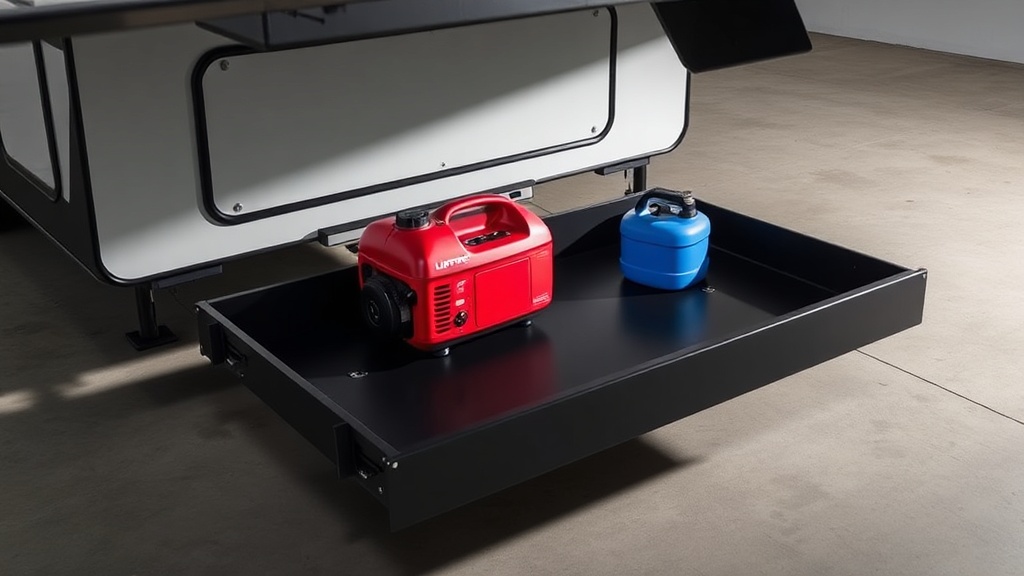
Lippert Slide-Out Tray vs. MorRyde: Which Is Best for Your RV?
Choosing the right slide-out storage tray for your RV can mean the difference between effortless gear access and a frustrating, sagging mess. Lippert and MorRyde are two dominant players in this space, but their designs cater to slightly different needs and budgets. This comparison breaks down the real-world differences in build quality, weight capacity, corrosion resistance, and ease of installation, helping you decide which tray deserves a spot under your RV’s slide-out.
What Are the Core Build Differences Between Lippert and MorRyde Trays?
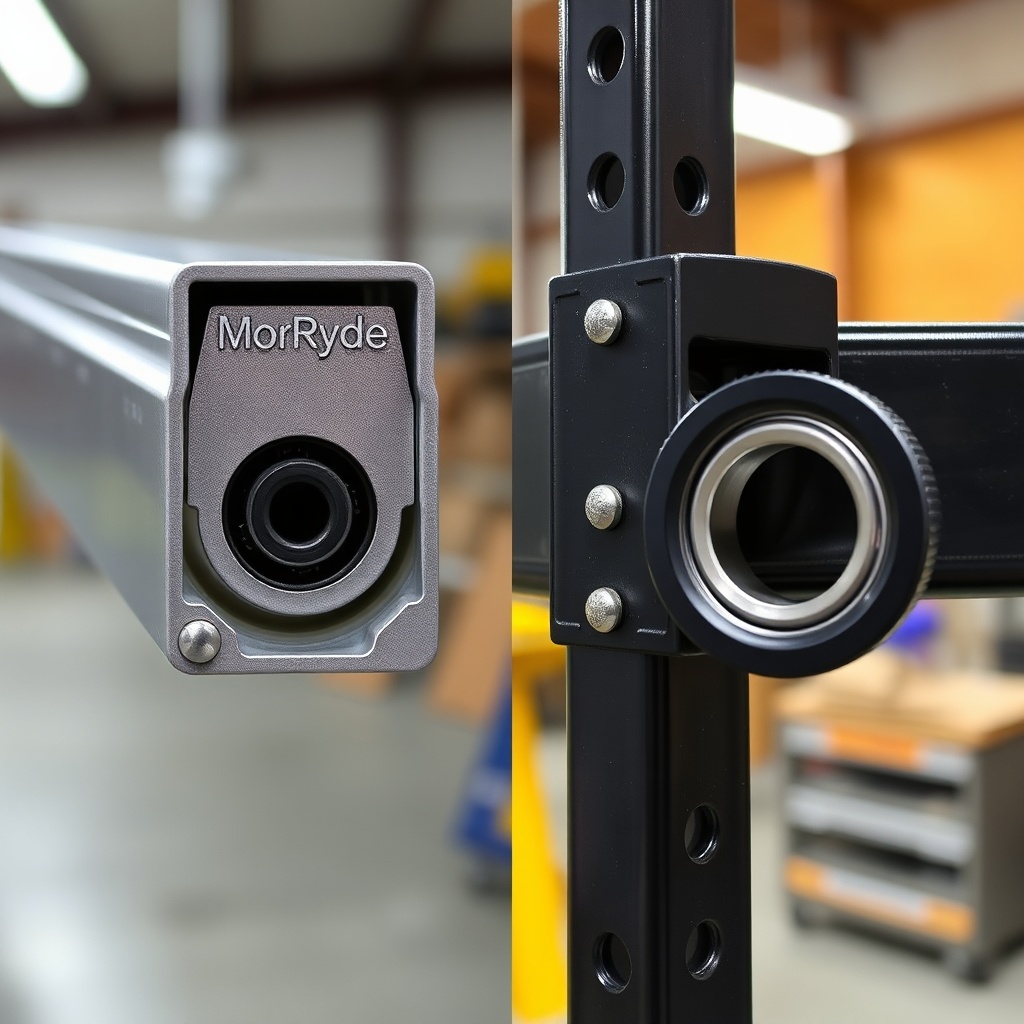
The most visible difference starts with the materials and construction. Lippert slide-out trays are almost universally built from 14-gauge steel, finished with a black powder coat. This gives them a solid, industrial feel. The tray itself is a welded unit, with cross-bracing designed to prevent deck flex under heavy loads. MorRyde, on the other hand, uses a lighter-gauge steel (often 16-gauge) for its base frames but compensates with a unique, fully enclosed extruded aluminum side rail system. The MorRyde tray runs on sealed ball-bearing rollers housed in those rails, while Lippert relies on standard steel rollers with open bearings.
From a steel thickness perspective, Lippert is heavier and arguably more suited to rough treatment—like hauling firewood or spare tires. MorRyde’s aluminum side rails reduce overall weight by roughly 15–20 pounds for a comparable 60-inch tray, which can matter if you are close to your RV’s cargo carrying capacity (CCC). However, that aluminum structure means the MorRyde tray’s load capacity is slightly lower per square inch of tray bed.
How Do Weight Capacities Compare for Typical RV Setups?
This is where the rubber meets the road—and where many owners get confused by marketing numbers. Lippert’s standard slide-out trays (models like the 5-0530 series) are rated for 500 pounds of distributed cargo, while heavy-duty Lippert trays (e.g., the 5-1060) can handle up to 1,000 pounds when properly bolted to the RV frame. MorRyde’s trays, identified by their model numbers like 150049, typically max out at 450–600 pounds depending on length.
However, a critical nuance is that these ratings assume the tray is mounted to the RV’s main steel frame rails—not just the underbelly’s corrugated aluminum. If your RV has a lightweight frame, the MorRyde’s lower max load might actually be safer, as it reduces the risk of overstressing the mounting points. For instance, a MorRyde 60-inch tray supports about 500 pounds, while a comparable Lippert 60-inch tray handles up to 600 pounds, but only if the frame is reinforced.
Practical rule of thumb: For carrying full-size spare tires, toolboxes, or multiple water jugs, Lippert’s heavier steel and higher capacity are advantages. For smaller loads like camping chairs, hoses, and leveling blocks, MorRyde’s lighter build is more than sufficient and easier to operate.
Which Tray Offers Better Resistance to Rust and Corrosion Over Time?
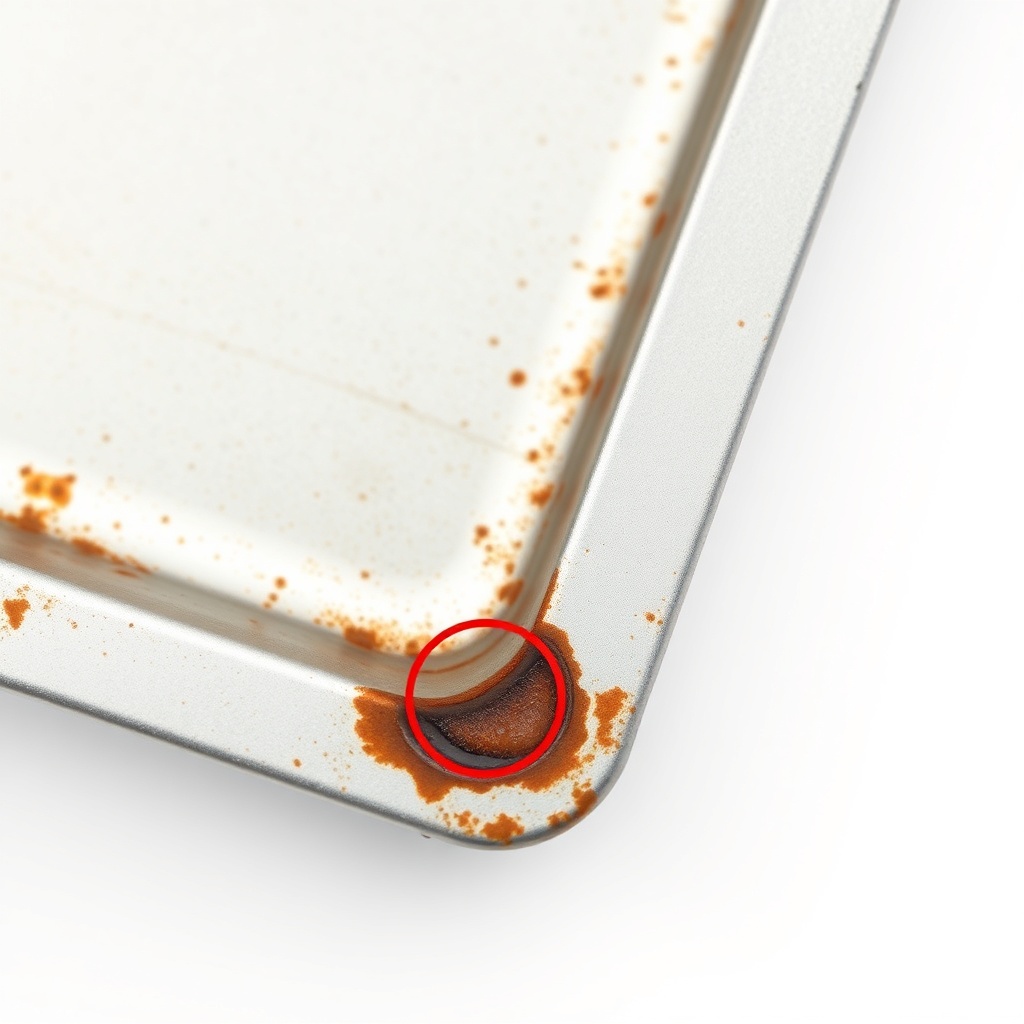
Rust is the silent killer of any steel under-RV accessory, especially if you travel near saltwater coastlines or through winter road salt. Lippert’s trays get a generous e-coat primer before the black powder coat is applied. This dual-layer system is good, but not bulletproof. Over three to five years, owners in high-humidity areas often report chip points where the coating flakes, allowing surface rust to bloom—especially at the welded corners where the factory coating can be thinner.
MorRyde’s aluminum side rails are naturally immune to rust. The steel cross members in a MorRyde tray are individually powder-coated before assembly, which means the edges of bolts and brackets are sealed. Plus, because the bearings are sealed inside the aluminum rails, water and road grime struggle to find a foothold. For full-time RVers who frequently drive in the rain or near the coast, the extra upfront cost of a MorRyde tray often pays for itself by preventing premature corrosion-related failures.
We recommend inspecting any steel tray’s underside with a flashlight during annual maintenance. For more specific care tips, check out our Lippert Slide-Out Storage Tray Rust Prevention & Maintenance guide.
How Does Ease of Installation Differ: Which Tray Works with Your RV Frame?
Installation complexity is a major pain point. Both companies supply mounting brackets, but Lippert’s kit is more universal and simpler. It uses a standard “C-channel” bracket that bolts directly to the RV’s main I-beam or C-channel frame rails. Many Lippert trays ship with pre-drilled holes at standard spacing, meaning you just measure, drill into your frame (with appropriate caution), bolt, and lock. Most DIYers with basic mechanical skills can finish a Lippert install in about three hours.
MorRyde’s system uses a proprietary mounting plate that must be aligned precisely with the tray’s rail system. It also requires shimming to ensure the tray slides perfectly level. MorRyde officially recommends a professional installation—and many owners confirm that getting the roller alignment right without a helper and a laser level is frustrating. However, once correctly mounted, MorRyde’s track system provides smoother operation with less side-to-side wobble than a standard Lippert tray.
Before buying either, measure your RV’s frame rail width. Lippert brackets accommodate most standard RV frames (typically 3″ to 4″ wide flanges), while MorRyde’s brackets are narrower. If your frame is wider than 4.5 inches, Lippert will be easier to fit. For specific weight limits and bolt torque specifications, see our Lippert Slide-Out Storage Tray Installation & Weight Capacity Guide.
Which Tray Is the Better Value for Your Dollar?
Price differences are significant and reflect the build philosophy. Below is a direct comparison for a 60-inch tray, the most common size for Class A and fifth-wheel slide-outs.
| Feature | Lippert 60″ Tray (Model 5-0530) | MorRyde 60″ Tray (Model 150049) |
|---|---|---|
| List Price (USD) | $220–$260 | $420–$480 |
| Weight (tray only) | 42 lbs | 28 lbs |
| Max Distributed Load | 600 lbs | 500 lbs |
| Steel Thickness | 14-gauge | 16-gauge (with aluminum side rails) |
| Roller Type | Open steel bearings | Sealed ball bearings in aluminum track |
| Corrosion Protection | E-coat + powder coat | Powder coat steel parts + anodized aluminum |
| DIY Installation Ease | Easier (universal bracket) | Harder (requires alignment shimming) |
| Warranty | 1 year | 2 years |
If your budget is under $300 and you need top-tier carrying capacity, Lippert is the clear winner. If you can invest $450 and prioritize corrosion resistance and smoother operation, MorRyde justifies its cost—especially for coastal RVers or full-timers.
How Does Each Tray Affect Slide-Out Clearance and Cargo Security?
Clearance underneath the slide-out is a non-negotiable concern. Both trays sit about 4 to 6 inches below the slide-out bottom when fully extended, but the key is how they retract. Lippert trays slide fully under the RV, leaving minimal overhang. MorRyde’s rail system protrudes about 1.5 inches beyond the tray’s bed even when retracted, which can be a problem if your RV has tight ground clearance or if you have a receiver hitch mounted close to the slide-out area.
For cargo security, Lippert provides simple tie-down slots along the tray’s edges, but these are standard oval cutouts. MorRyde integrates a built-in locking rail system on both sides, allowing you to slide a ratchet strap anchor anywhere along the tray without tying knots. That sounds minor, but when you are securing a generator or a propane tank, the ability to reposition anchors in seconds makes a real difference.
Additionally, MorRyde’s trays include a push-button locking mechanism that holds the tray in the fully open or fully closed position, preventing rollback on a slight incline. Lippert trays use a simple pin lock that requires manual alignment—sometimes this takes a few tries if the tray is heavily loaded. For peace of mind on a hillside campsite, MorRyde’s auto-lock is worth the extra cost.
To help you plan a safe installation and avoid tipping risks, refer to our How to Balance Load on Lippert Slide-Out Trays for Safe Towing guide.
What Owners Say About the Real-World Durability
Based on forum discussions and owner reviews collected over several years, two main themes arise. First, many Lippert tray owners note that after two or three years, the tray develops a slight “wobble” when fully extended under heavy load. This is usually due to the open bearings collecting grit and becoming less smooth. A good cleaning and lithium grease application every season solves it, but it’s an extra maintenance step. Second, MorRyde owners almost uniformly praise the “butter-smooth” glide even after years of use. However, a frequent complaint is that replacement parts—particularly the sealed roller cartridges—are expensive and require disassembling the entire rail system, a job most owners would rather leave to a technician.
Frequently Asked Questions
1. Can I install a Lippert or MorRyde tray on a travel trailer with a rubber membrane underbelly?
Yes, but you must reinforce the mounting points. The rubber underbelly cannot support any weight. Both brands require you to bolt through the underbelly and into the steel frame rails. Use large fender washers on both sides of the membrane to prevent tearing, and seal the bolt holes with butyl tape.
2. Will a slide-out tray cause my slide-out room to bind or malfunction?
No—if installed correctly and not overstuffed, the tray operates independently of the slide-out mechanism. However, if the tray is loaded so high that it touches the underside of the slide-out when retracted, it can put upward pressure on the slide-out floor, potentially causing binding. Always measure clearance before loading.
3. Which tray is better for carrying two full-size spare tires?
Lippert’s heavier steel and 600–1,000 lb capacity make it the better choice for dual spares. MorRyde’s aluminum rails could carry them, but the concentrated weight at one end may cause the tray to tilt when extended. A balanced load is critical with any tray.
4. How do I prevent the tray from rattling during travel?
On Lippert trays, a common fix is to install a rubber pad between the tray’s stop bracket and the frame. For MorRyde, ensure the locking pin fully engages. Some owners also line the tray’s bed with a rubber mat to dampen noise from loose items.
5. Is there a weight limit difference between manual and powered slide-out trays?
This question often confuses slide-out trays with slide-out rooms. Neither Lippert nor MorRyde makes powered tray versions. All are manual-pull trays. The weight limits discussed here apply only to the tray, not the slide-out itself.
6. Can I weld additional crossbars to a Lippert tray for extra support?
Yes, but doing so will void the warranty. If you need higher capacity, it’s safer to order a heavy-duty Lippert model from the factory. Welding can weaken the e-coat and cause rapid rust along the weld zones.