
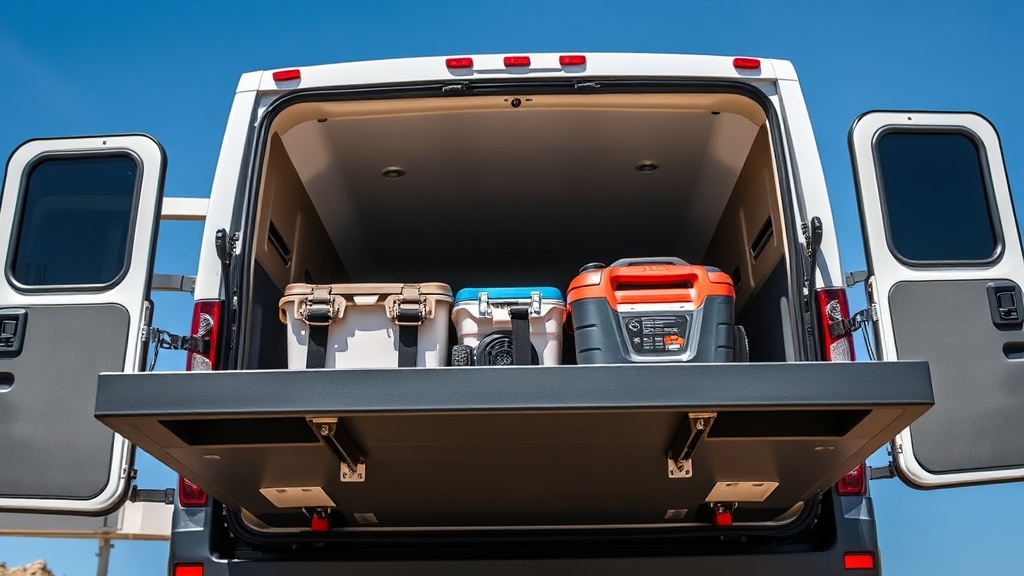
Balancing Act: Your Guide to Safe Towing with Lippert Slide-Out Trays
Proper weight distribution is the single most critical factor for safe towing with your Lippert slide-out storage tray. An unbalanced load doesn’t just stress the tray—it can affect your RV’s handling, tire wear, and even braking distance. This guide walks you through practical steps to assess, load, and adjust your Lippert tray for a balanced, safe journey.
What Does “Balanced Load” Mean for a Lippert Slide-Out Tray?
A balanced load means the weight is distributed evenly across the tray’s surface, both side-to-side and front-to-back. The tray’s mounting points and slide mechanism are designed to handle a specific total weight, but uneven loading creates twisting forces that can damage the rails, the tray itself, or the mounting brackets. For example, placing a heavy cooler on one end and a light duffel bag on the other forces the slide-out to work against itself, increasing wear and reducing stability while towing.
Check your specific Lippert model’s weight capacity, which is typically stamped on the side of the tray or in the Lippert Slide-Out Storage Tray Installation & Weight Capacity Guide. A good rule of thumb is to never exceed 80% of the rated capacity for dynamic loads (while towing) and to aim for an even spread across the deck.
How Do I Determine the Best Weight Distribution for My Tray?
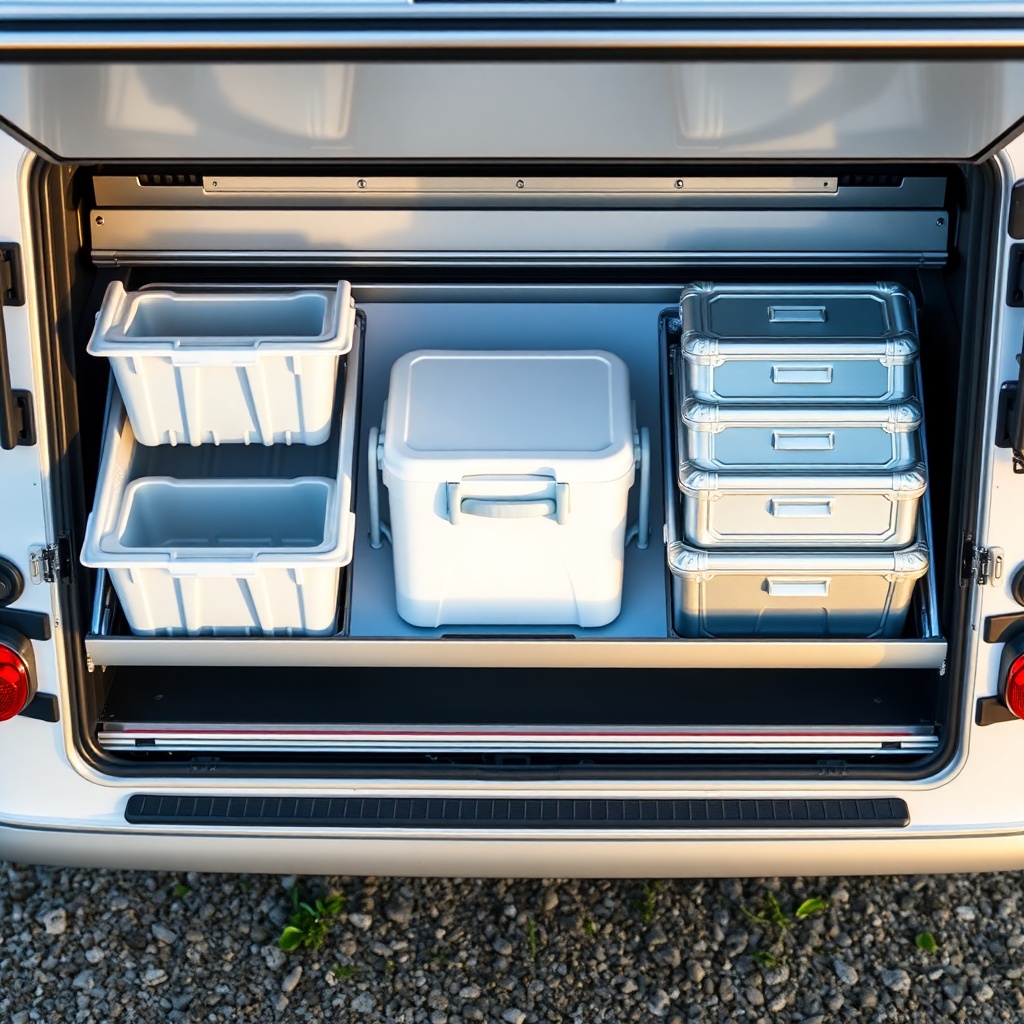
Start by knowing the individual weight of every item you plan to store. Use a simple bathroom scale to weigh each box, cooler, or generator. Record the weights and measure the tray’s dimensions. Your goal is to place the heaviest items closest to the centerline of the tray, both side-to-side and front-to-back. This minimizes leverage on the slide mechanism.
For a typical 48-inch-long tray, place heavier items (like a 50-pound generator) within the middle 24 inches. Lighter items (like 15-pound bins of camping gear) can go toward the ends. Always load the tray in a way that the total weight doesn’t exceed the tray’s limit, but also keep the center of gravity as low as possible. If you’re using multiple bins, distribute the weight so that no single corner is overloaded.
What Are the Signs of an Unbalanced Load While Towing?
You’ll feel an unbalanced tray while driving long before it causes damage. Common symptoms include:
- Increased sway: The RV feels like it’s being pulled to one side or requires constant steering correction, especially in crosswinds or when passed by large trucks.
- Fishtailing: A side-to-side wobble at the rear of the RV, often a sign that rear weight distribution is uneven.
- Unusual tire wear: Check your rear tires after a trip—uneven wear patterns on the inside or outside edges indicate the weight is not centered.
- Noise from the slide mechanism: Grinding or squeaking when extending or retracting the tray signals excessive stress on the rails.
If you notice any of these, pull over at the next safe stop and visually inspect your load. Shifting weight by just a few inches can make a dramatic difference in handling.
| Severity Level | Typical Symptoms | Action Required |
|---|---|---|
| Needs Attention Soon | Noticeable sway on highways; slight noise when sliding tray; rear tires showing mild uneven wear | Redistribute load within the tray’s capacity; re-check tire pressure; inspect slide rails for debris |
| Immediate Action Required | Continuous fishtailing; loud grinding/squeaking; one side of tray visibly lower than the other; sharp tire wear on one edge | Stop and unload all items; inspect tray rails and mounting brackets for damage; rebalance before continuing |
How Do I Center the Weight Side-to-Side?
Side-to-side balance is critical for straight-line stability. The tray itself may not be perfectly centered on the RV’s chassis, so you must adjust for that. Start by measuring the distance from the center of the tray’s left rail to the inner edge of the left wheel well, and the same on the right. If the tray is offset to one side, you need to place more weight on the opposite side to achieve balance.
For instance, if the left side of the tray is 4 inches closer to the wheel well than the right, it means the tray’s centerline is shifted left. Load heavier items slightly to the right of the tray’s centerline to compensate. You can also use a simple see-saw method: place a level across the tray from left to right. When the bubble is centered and the tray is level side-to-side, you’ve achieved balance.
For a more precise approach, use a tongue weight scale under the hitch—an unbalanced rear load will show as an uneven left/right split in the tongue weight reading. If you’re upgrading trays, see the Lippert Slide-Out Tray vs. MorRyde: Which Is Best for Your RV? for weight distribution features.
How Do I Manage Front-to-Back Balance on the Tray?
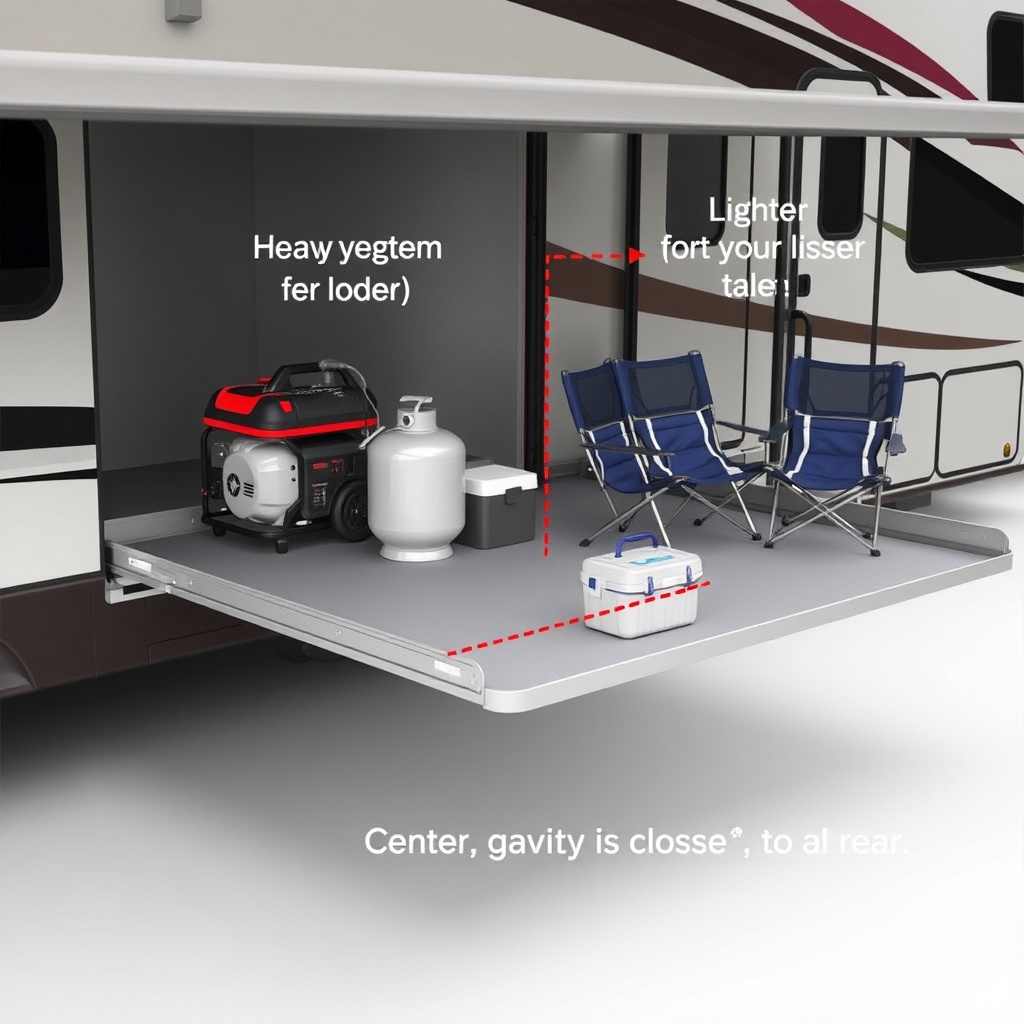
Front-to-back balance affects the RV’s pitch and can impact braking. The tray’s slide mechanism extends outward, so the front edge (closest to the RV) and back edge (furthest from RV) have different leverage points. Heavier items should be placed toward the front of the tray, closer to the RV’s chassis. This reduces the leverage force on the slide rails when the tray is fully extended.
For example, if you have a 60-pound generator, place it against the mounting wall of the tray (the frontmost position). Lighter items like folding chairs (20 pounds) go toward the rear. This keeps the center of gravity as low and as close to the RV’s structural frame as possible. When towing, this also minimizes the risk of the tray sagging or the slide mechanism binding over bumps.
A simple test: with the tray retracted, try to lift the outermost edge. If it rises easily, your front-to-back balance is off. Adjust until the tray feels solid and resists lifting.
What Maintenance Steps Prevent Balance Issues?
Balance isn’t a set-it-and-forget-it task—it changes as you add or remove gear. Before every trip, do a quick rebalance check. Also, keep the slide mechanism well-lubricated to reduce friction, which can mask an imbalance. Inspect the mounting bolts and brackets regularly for signs of loosening or cracking. If you notice rust, address it immediately; see our Lippert Slide-Out Storage Tray Rust Prevention & Maintenance guide for detailed steps.
Finally, after long trips, re-torque all mounting bolts to the manufacturer’s specifications. This prevents minor shifts in the tray’s position that can throw off balance. A well-maintained tray is safer and more reliable.
What Owners Say
Experienced RVers with Lippert slide-out trays often share consistent feedback:
- “I used to just throw everything in, but after a scary sway on a windy day in Wyoming, I started weighing and balancing everything. Now I load heavy stuff in the center, and my trailer tracks like it’s on rails. It’s a 10-minute routine that’s worth the peace of mind.”
- “My neighbor had his Lippert tray bend under an uneven load—a cooler on one side and three empty plastic totes on the other. The bend was slight at first, but over a few trips, the tray got harder to slide. He had to replace the rails. I learned from his mistake and always distribute weight evenly, even if it means leaving some gear behind.”
Frequently Asked Questions
-
Can I put a generator on my Lippert slide-out tray?
Yes, but only if the generator’s weight is within the tray’s capacity and you place it as close to the centerline as possible. Heavier generators (over 50 pounds) should be secured with straps or a dedicated bracket. Always check your specific model’s maximum load.
-
How do I know if my tray is overloaded?
Look for signs like the tray sagging in the middle, difficulty sliding in/out, or metal fatigue around the mounting points. Also, if your RV sways more than usual or the rear drops when you load the tray, you’re likely over capacity. Use a scale to verify the total weight.
-
What’s the best way to secure items so they don’t shift?
Use non-slip mats underneath bins, and use ratchet straps or bungee cords to tie items down to the tray’s D-rings or tie-down points. Avoid stacking items above the tray’s side rails, as this raises the center of gravity and increases shifting risk.
-
Should I use a weight distribution hitch with a slide-out tray?
If you’re towing a travel trailer and using a slide-out tray on the trailer’s rear, a weight distribution hitch is still recommended to maintain proper tongue weight and overall balance. The tray adds weight to the rear, which can reduce tongue weight—so measure your tongue weight after loading.
-
Can I carry propane tanks on a Lippert slide-out tray?
Yes, but only if the tray is specifically rated for propane tank storage (check your model). Use a tank mount bracket that secures the tank upright, and ensure the tray’s weight capacity includes the full tank weight. For safety, always transport propane tanks upright and secured.
-
How often should I rebalance my load?
Every time you add, remove, or rearrange gear. Even small changes affect balance. Make it a habit to check your load before every trip, especially after a winter storage period when you might be swapping out seasonal items.