Why Install an RVStow Roof Rack Cargo Basket to Keep Wet Gear Off the Interior?
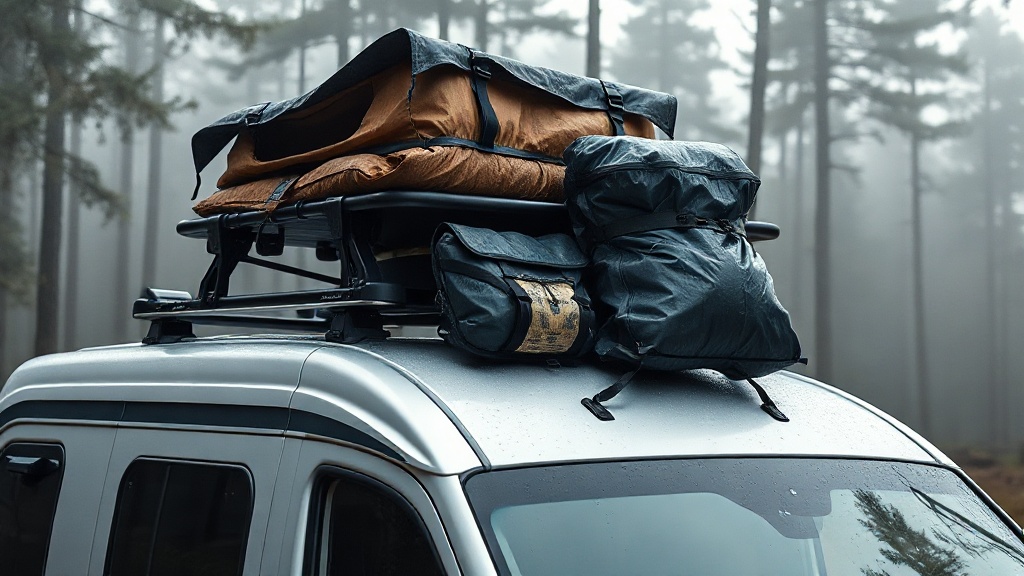
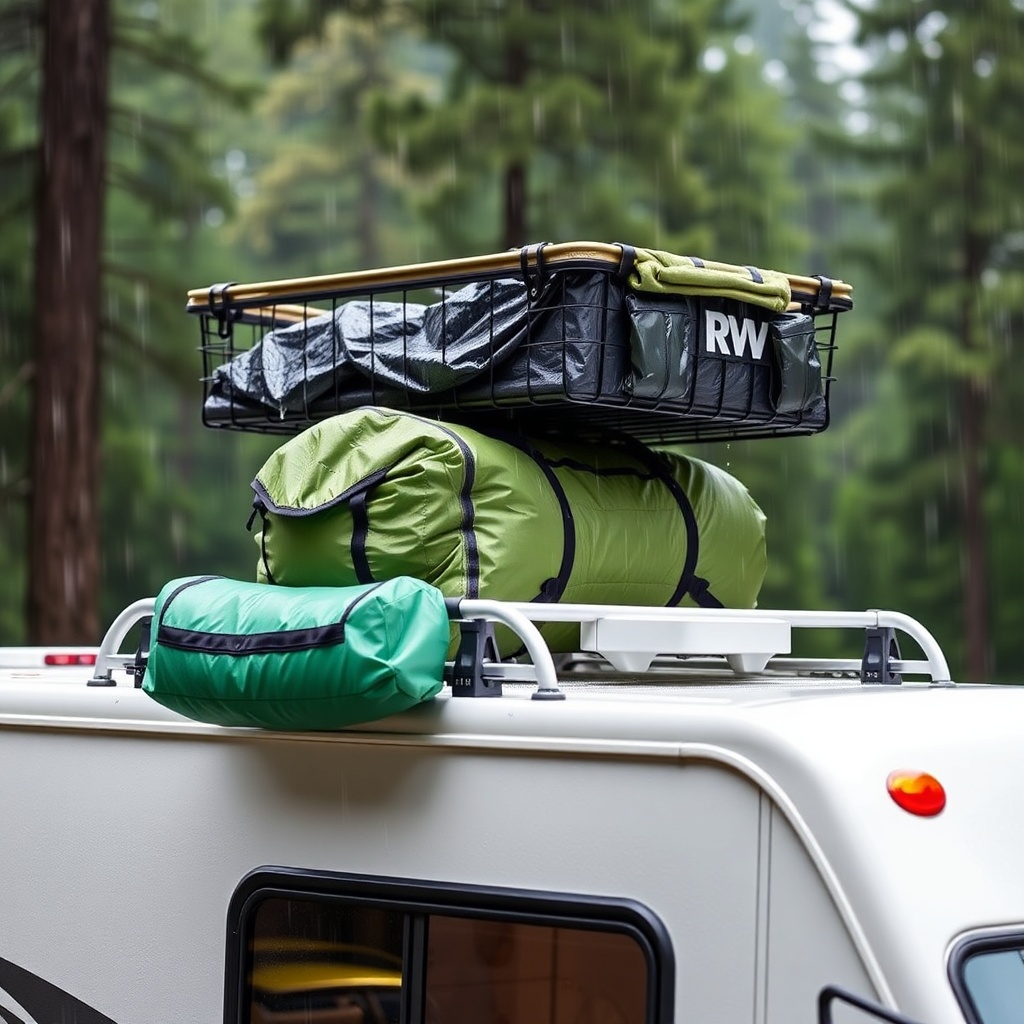
After a long day of kayaking or hiking in the rain, the last thing you want is soggy tents, wet waders, and dripping rain boots inside your RV. The RVStow Roof Rack Cargo Basket offers a dedicated exterior storage solution that keeps all that moisture on the roof, not soaking your carpets or upholstery. By moving wet gear to the basket, you eliminate interior condensation, mold spores, and the musty odors that plague RVs after wet-weather trips.
This mod is especially valuable for owners who regularly camp in coastal areas or Pacific Northwest rain forests. The basket’s open-grid design allows for excellent airflow, so wet items dry naturally while you drive, and the high-mount position keeps water runoff away from your RV’s sidewalls and windows.
How Does the RVStow Roof Rack Cargo Basket Prevent Leaks Into the RV Cabin?
Leaks don’t just come from roof seams—they often originate from improperly stored wet gear placed near doors or windows. The RVStow Roof Rack Cargo Basket eliminates this risk by giving wet items a dedicated space above the roofline. The basket is constructed from heavy-duty steel with a textured black powder-coat finish that resists rust, and its raised side rails keep gear from sliding into the roof surface.
To further prevent any water intrusion, the basket mounts to factory roof rails or crossbars using UV-stabilized rubber pads that create a vibration-dampening seal. These pads also prevent metal-on-metal contact that can wear through paint and lead to corrosion. For additional peace of mind, many owners combine this basket with a salt corrosion prevention guide to protect the mounting points from coastal salt spray.
What Is the Best Way to Secure Wet Tents and Tarps in the Basket?
Wet gear is notoriously slippery and heavy. The RVStow Roof Rack Cargo Basket features integrated tie-down slots on all four sides, allowing you to use cam buckles or ratchet straps to secure loads. For wet tents, we recommend using heavy-duty mesh bags first, then placing them in the basket and compressing with bungee cords rated for at least 50 pounds of tension.
- Use waterproof dry bags for electronics and clothing, then secure them with flat straps to prevent shifting.
- Layer wet tarps at the bottom of the basket to act as a water-repellant base that drains out the sides.
- Add a cargo net over the top for small items like wet shoes and gloves.
- Combine with an inner divider mod to keep wet and dry gear separate—check the inner divider mod for organized compartmentalization.
Can the RVStow Roof Rack Cargo Basket Hold Heavy Loads Like Kayaks or SUP Boards?
While the basket is designed for general cargo, it can accommodate long and awkward items like kayak paddles, folding chairs, and stand-up paddleboards with the right accessories. The basket has a tested static load capacity of 250 pounds (113 kg) when mounted to factory crossbars, and 350 pounds (159 kg) when bolted directly to heavy-duty roof tracks.
| Item Type | Weight Limit (lbs/kg) | Recommended Tie-Downs | Notes |
|---|---|---|---|
| Wet tents & tarps | 80 lbs / 36 kg | 4 cam straps, 2 bungee nets | Compress before loading |
| Camping chairs (4x) | 120 lbs / 54 kg | Ratchet straps, edge guards | See secure camping chairs mod |
| Waterproof duffels | 150 lbs / 68 kg | 10mm ropes or turnbuckles | Distribute weight evenly |
| Kayak paddles (pair) | 20 lbs / 9 kg | Velcro straps, foam spacers | Use light bar mount for extra tie points |
To safely transport long items like SUP boards, consider pairing the basket with a light bar mount mod to create additional secure anchor points.
How Does the Basket Perform in Long-Term UV Exposure and Rain?
The RVStow Roof Rack Cargo Basket is coated with a marine-grade powder finish that resists fading and chalkiness for up to 5 years in direct sunlight. For owners who camp in desert environments or coastal regions with intense UV, we strongly recommend adding a sun shade mod to protect sensitive gear like inflatable boats and cooler bags from UV degradation.
Rainwater simply flows through the basket’s expanded metal floor, so there’s no pooling or standing moisture. To keep the basket looking new, rinse it with fresh water every 30 days if used in salty or dusty conditions. The powder coat withstands mild abrasion from sandy gear, but sharp metal edges on kayaks or bike racks should be padded with rubber trim to prevent scratching.
What Torque Specifications Should You Use for the Basket Mounting Hardware?
Proper tightening is critical to avoid leaks at the roof rail interface and to prevent the basket from shifting at highway speeds. The RVStow Roof Rack Cargo Basket uses M8 stainless steel bolts with a specified torque range of 18–22 ft-lbs (24–30 Nm) for the mounting clamps. Do not exceed 25 ft-lbs or you risk stripping the threaded inserts on your roof rails.
For the crossbar attachment bolts, torque to 15 ft-lbs (20 Nm) in a star pattern. After the first 100 miles of driving, recheck all fasteners as they may settle. Consult the torque specs and tightening sequence guide for a step-by-step diagram of the correct order to prevent warping the basket frame.
[[IMG: A photorealistic close-up of a stainless steel torque wrench applied to an M8 bolt on an RVStow Roof Rack Cargo Basket clamp, with a moisture-wicking rubber pad visible underneath, set against a cloudy sky background.]
What Owners Say About the RVStow Roof Rack Cargo Basket for Wet Gear
Owners consistently report that the basket transforms how they handle wet gear. “I used to bring muddy, wet tents inside and they always stank up the camper. Now I toss them on the roof and they’re dry by the time we get home,” says Mike R. from Oregon. Another owner, Sarah L., appreciates the security: “The basket is rock solid at 70 mph with my kayak gear on top. No squeaks, no leaks.”
Some owners have modded the basket to carry extra fuel cans or propane bottles, but caution that anything flammable should be secured with metal straps and never placed directly against the basket’s open floor. A common recommendation is to use a cargo net over the top for loose items like firewood. After two years of use, most owners report minimal rust except where the powder coat has been scratched, which is easily repaired with touch-up paint.
For those looking to complete the setup, the inner divider mod and camping chair securement kit are the two most popular add-ons, with reviewers noting that dividers prevent heavy items from sliding into the side rails and causing bending during hard turns.
Frequently Asked Questions About the RVStow Roof Rack Cargo Basket
- Can I mount the basket on a fiberglass roof without factory rails?
Yes, but you must first install a heavy-duty roof track system rated for at least 300 lbs dynamic load. The basket’s clamps are designed for T-slot tracks up to 1.5 inches wide. - Will the basket rust if I store wet saltwater kayak gear?
It is resistant to rust thanks to the powder coating, but saltwater is aggressive. Rinse the basket with fresh water after every saltwater trip and apply a wax or rust inhibitor quarterly. See our salt corrosion guide for best practices. - What is the maximum height clearance needed for parking garages?
With the basket mounted, expect an additional 6 to 7 inches above your RV’s roofline. Measure your total height before entering garages or low bridges. The lowest clearance point is typically the basket’s side rails. - Can I install a light bar on the basket for night camping?
Absolutely. The basket’s front crossbar can support LED light bars up to 20 lbs, but we recommend using a dedicated light bar mount mod to avoid drilling into the basket’s load-bearing structure. - Does the basket affect fuel economy significantly?
You may experience a 1–3 mpg reduction at highway speeds, especially when loaded. For minimal drag, avoid overfilling the basket and use a cargo net instead of bulky loads that create wind resistance. - How often should I check the bolts after installation?
Inspect bolts monthly during camping season and after every long trip. Tighten any that have loosened to the specified torque. Reapply thread-locking compound annually.