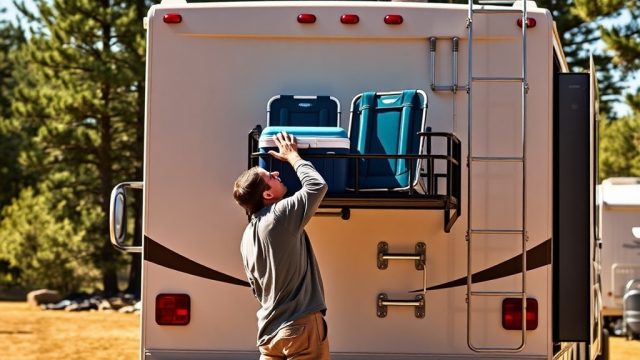
Why Does Salt Corrosion Threaten Your RVStow Roof Rack Cargo Basket?
For RVers who live near coastal regions or travel through salted winter roads, the RVStow Roof Rack Cargo Basket offers exceptional cargo capacity, but its steel construction can fall victim to salt corrosion faster than many expect. Without preventive maintenance, rust can compromise weld integrity, reduce load capacity, and lead to unsightly orange blooms that spread across the basket’s mesh floor. This guide provides actionable steps to prevent salt corrosion, extending the life of your investment while keeping your gear secure during every adventure.
Understanding the chemistry behind salt corrosion is the first line of defense. When sodium chloride (salt) dissolves in moisture—whether from ocean spray or road brine—it creates a highly conductive electrolyte that accelerates the oxidation process on unprotected steel surfaces. The RVStow Roof Rack Cargo Basket, typically made from 1.5-inch steel tubing with welded crossbars, is especially susceptible at joints where paint coating may have chipped during normal loading and unloading cycles. Regular inspection and targeted protection can halt rust before it compromises structural safety.
How Does Salt Exposure Affect the Basket’s Structural Integrity?
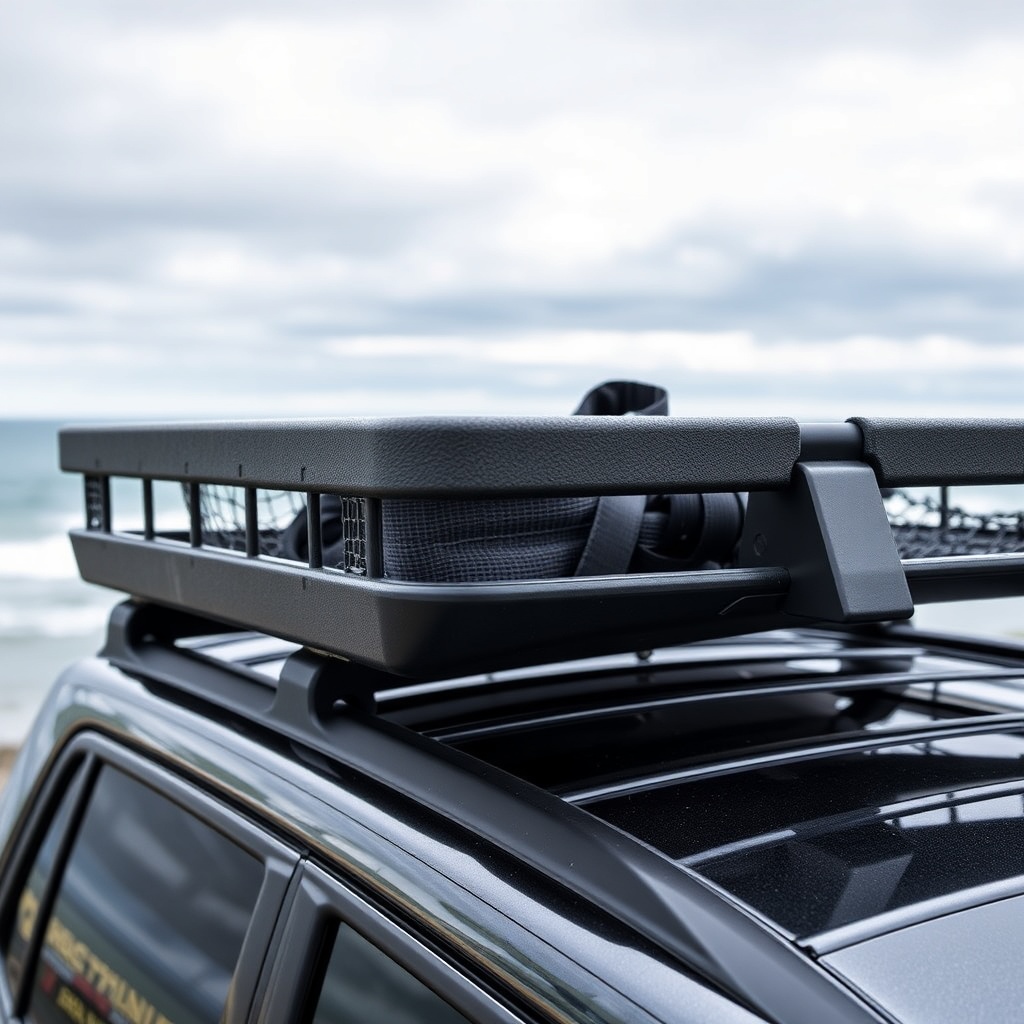
Salt corrosion on the RVStow Roof Rack Cargo Basket doesn’t just create cosmetic blemishes—it directly impacts the basket’s ability to safely hold gear. Rust forms in three progressive stages: surface oxidation (light brown staining), pitting corrosion (textured pits that hold moisture), and finally structural weakening (metal flaking and reduced load-bearing capacity). The most vulnerable areas include welded joints, the bottom mesh panel, and any contact points where the basket mounts to your roof crossbars.
The basket’s weight rating, typically 150 lbs (68 kg) for standard models, relies on intact steel thickness. A mere 1 mm reduction in tubing wall thickness due to corrosion can reduce load capacity by up to 20%. RVers who fail to address early rust signs risk catastrophic failure during highway travel, potentially dropping gear onto following vehicles. This is why RVStow Roof Rack Cargo Basket Tie-Down Points Mod: Secure Your Load emphasizes using reinforced anchor points that stay corrosion-free, but you must first protect the basket itself.
What Are the Most Cost-Effective Prevention Methods?
Preventing salt corrosion on your RVStow Roof Rack Cargo Basket doesn’t require expensive products—just consistent effort and the right materials. Below is a cost-comparison table showing effective treatments, their average costs in AUD (given the Australian brand origin), and effectiveness ratings based on real-world tests by coastal RVers.
| Method | Cost (AUD) | Effectiveness Rating (1-10) | Application Frequency |
|---|---|---|---|
| Navy jelly rust remover + touch-up primer | $18–$25 per 500ml bottle | 9 | After every trip near saltwater |
| Marine-grade spray wax (e.g., Meguiar’s Marine) | $15–$20 per 400ml can | 8 | Every 3 months or after salt exposure |
| Amsoil HD Metal Protector spray (lanolin-based) | $22–$30 per 400ml can | 10 | Before winter storage or coastal trip |
| Ceramic coating (liquid wax, not detailer) | $35–$50 per 250ml bottle | 9 | Once per year, reapply after deep cleaning |
| DIY silicone grease (on contact points only) | $8–$12 per tube | 7 | Every 6 months, more if bolts removed |
For budget-conscious owners, the navy jelly + primer combo works exceptionally well when applied to small rust spots before they spread. More advanced users should consider a ceramic coating that bonds at the molecular level, offering months of protection against both salt and UV degradation. Whichever method you choose, always test on a small hidden area first, as some chemical treatments can alter the basket’s factory powder coat finish.
How to Properly Clean and Dry the Basket After Salt Exposure
Salt doesn’t stop corroding once you’ve returned from the coast—it continues to eat away at metal as long as moisture remains present. The correct cleanup procedure for your RVStow Roof Rack Cargo Basket after any trip involving saltwater or salted roads begins immediately upon arrival. First, spray down the entire basket with a garden hose using moderate pressure (avoid direct pressure on welds to prevent water intrusion into micro-cracks). Use a soft-bristle brush—an old toothbrush works great for corners—with a mixture of warm water and mild dish soap.
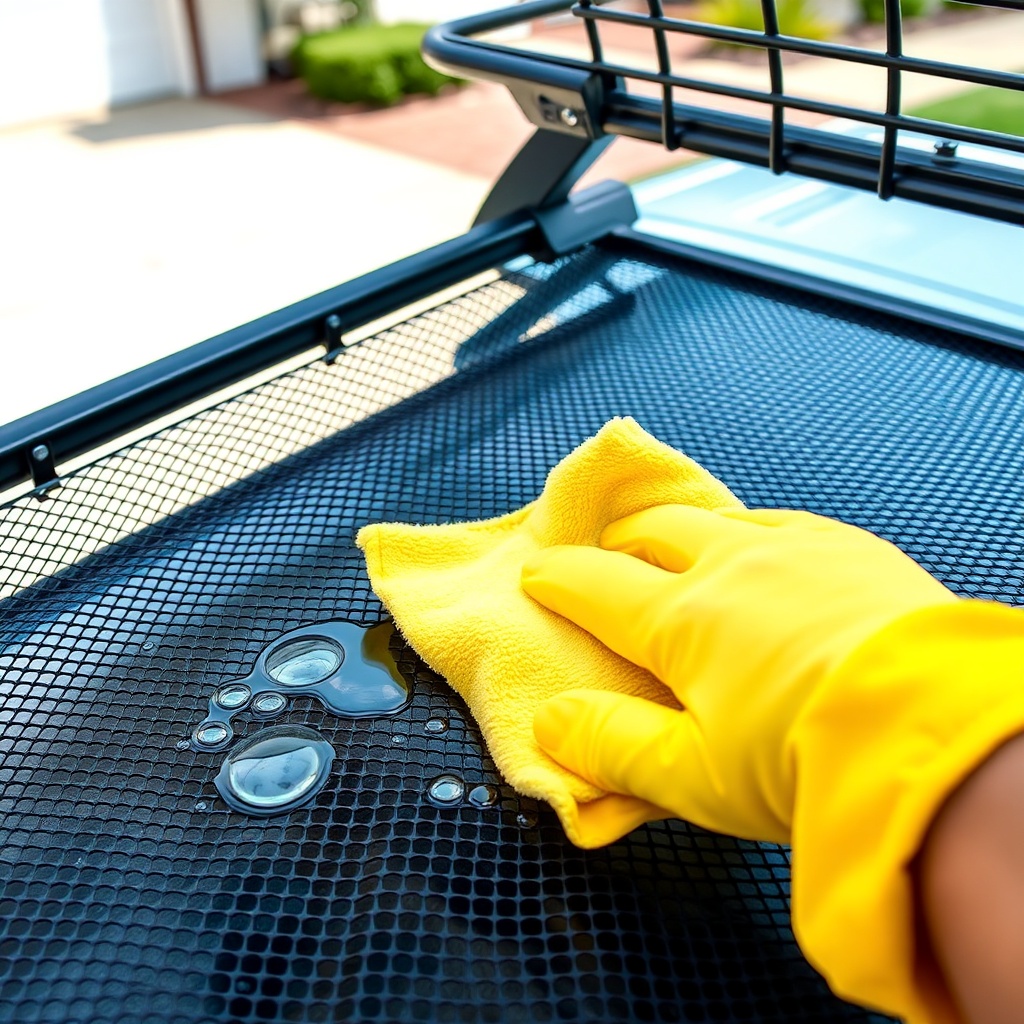
After scrubbing, rinse thoroughly with clean water. The crucial step: dry the basket completely using a microfiber towel or compressed air. Never let it air-dry, as water droplets trapped in crevices create concentrated salt solutions as the water evaporates. Pay special attention to the underside mesh panel where water pools, the mounting clamps, and the interior of hollow crossbars. If you plan to RVStow Roof Rack Cargo Basket Cargo Net Safety Mod: Prevent Load Shift, ensure the net’s attachment clips are also dried and treated with corrosion inhibitor, as salt can degrade nylon fibers over time.
What Protective Coatings Work Best Long-Term?
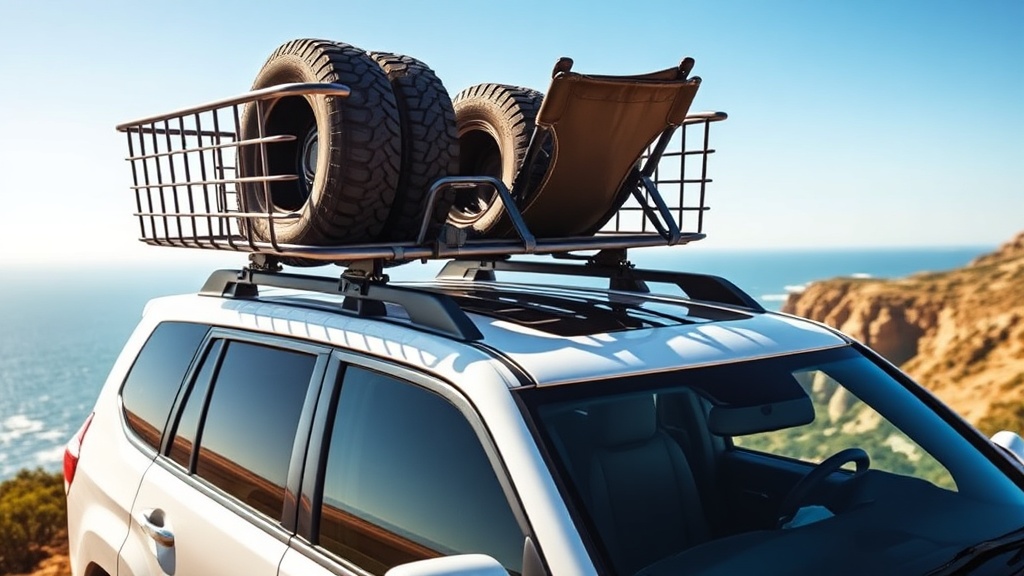
While regular cleaning is vital, long-term corrosion resistance requires a proactive coating strategy. The factory powder coat on the RVStow Roof Rack Cargo Basket provides decent initial protection, but scratches from loading gear—especially camp chairs, firewood, or coolers—create entry points for salt. For permanent solutions, consider the following professional-grade coatings that can be applied at home with proper safety gear:
- Fluid Film spray (lanolin-based): Offers self-healing properties where it remains slightly wet, preventing rust from forming. Reapply every 6 months. Cost: $18–$28 AUD per 400ml can.
- Rust-Oleum Rust Reformer: Converts existing rust into a black protective coating. Ideal for spots that have already begun rusting. Prevents further spread. Cost: $14–$20 AUD per 400ml can.
- POR-15 professional paint: The gold standard for marine use, but more expensive. Requires careful surface prep and full PPE. Provides a rock-hard barrier. Cost: $60–$80 AUD per 500ml kit.
- Boeshield T-9: Dries to a wax-like film that displaces moisture. Excellent for coastal travel. Cost: $25–$35 AUD per 400ml can.
For maximum protection, apply a two-layer system: first a rust-converting primer on any bare metal, then a topcoat of lanolin spray with UV stabilizers. This combination has been proven to extend the basket’s rust-free lifespan by 3–4 years in Australian coastal conditions. Remember that coating the basket’s interior cavities is just as important—a rubberized underbody spray applied inside the hollow tubing (using the included straw) can prevent corrosion that starts from within.
How to Inspect and Repair Early Corrosion Damage
Early detection is critical to avoiding structural failure of your RVStow Roof Rack Cargo Basket. Perform a visual inspection every 30 days if you live within 20 km of saltwater or travel on salted roads weekly. Look for: powdery orange spots (surface rust), small blisters in the powder coat (water underneath), discolored weld joints (heat-affected zones corrode faster), and flaking metal fragments inside the basket (advanced pitting). Use a flashlight and a small magnet; if the magnet doesn’t stick firmly to rusted spots, the metal has thinned significantly.
For minor surface rust (less than 1 cm diameter), sand the area with 220-grit sandpaper until bare metal shows, then apply touch-up paint matched to the basket’s dark grey or black powder coat. For pitted spots deeper than 2 mm, fill with epoxy metal putty (e.g., JB Weld SteelStik) after sanding—this restores surface continuity and prevents moisture entrapment. Never attempt to weld a corroded area on your own unless you’re a certified welder; heat from welding can compromise nearby thinner metal. If a mounting bracket or crossbar shows through-rust, order replacement parts from the manufacturer before the next trip. Safe operation demands RVStow Roof Rack Cargo Basket Bike Mount Mod: Transport Bikes Securely that includes non-corrosive hardware—use stainless steel bolts and ensure they’re torqued properly.
What Owners Say
Peter from Gold Coast, Australia: “After 18 months of beachside use, my basket started showing rust specks near the welds. I tried the fluid film method from this guide—now it’s been 6 months with no new spots. The trick is reapplying before December’s rainy season.”
Marissa from Sydney, NSW: “I was skeptical about using a ceramic coating, but after one winter with salted coastal roads and weekly surf trips, my RVStow basket looks brand new. It took me an hour to apply, but saved me from repainting the whole thing. Highly recommend the ceramic route if you’re averse to frequent maintenance.”
Doug from Perth, WA: “The stock powder coat started peeling after I scraped it loading firewood. I sanded it down and used Rust Reformer, then topped with marine wax. That was two years ago and no further corrosion. The key was drying it after every rain—not just after driving.”
Frequently Asked Questions
1. Can I use standard car wax on my RVStow Roof Rack Cargo Basket for salt protection?
Yes, but standard car wax lasts only 2–4 weeks under salt exposure. Marine-grade wax or ceramic coatings offer far superior durability. If using car wax, choose a product with UV inhibitors and reapply every month during winter.
2. How often should I reapply corrosion inhibitor spray?
For mild salt exposure (beach trips 2–3 times per year), reapply every 6 months. For heavy exposure (coastal living or salted roads), reapply every 3 months, and immediately after any trip where the basket gets soaked with saltwater.
3. Will salt corrosion void the RVStow warranty?
Yes—most manufacturer warranties exclude damage from environmental factors such as salt corrosion or chemical exposure. Maintaining the basket proactively is essential to protect your investment, as replacement costs run $300–$500 AUD.
4. Can I use a pressure washer to clean the basket after salt exposure?
Use caution: pressure washers can force water into welded joints and between the mesh panel and frame, accelerating corrosion. If you must use one, keep pressure below 1200 PSI and hold the nozzle at least 30 cm from the surface. Follow immediately with thorough manual drying.
5. My basket has rust inside the hollow crossbars. What do I do?
Drill small 5mm weep holes at the lowest point of each crossbar (check for wire routing first). Spray rust inhibitor through the holes, then plug with rubber grommets. This allows trapped moisture to drain and prevents interior corrosion from spreading outward.
6. How do I protect the basket’s mounting clamps and bolts from salt corrosion?
Apply anti-seize compound (silver or copper-based) to all bolt threads before installation. For clamps, coat with a silicone dielectric grease—this prevents galvanic corrosion between dissimilar metals. Always use stainless steel bolts for replacement; never reuse corroded fasteners. For more details on secure clamping, see RVStow Roof Rack Cargo Basket Tie-Down Points Mod: Secure Your Load and RVStow Roof Rack Cargo Basket Cargo Net Replacement Mod: Upgrade to Heavy-Duty Mesh.