Introduction
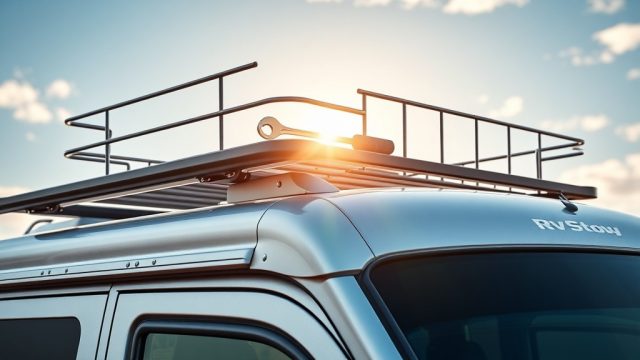
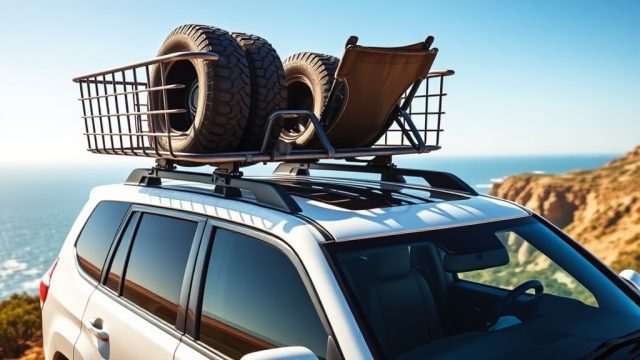
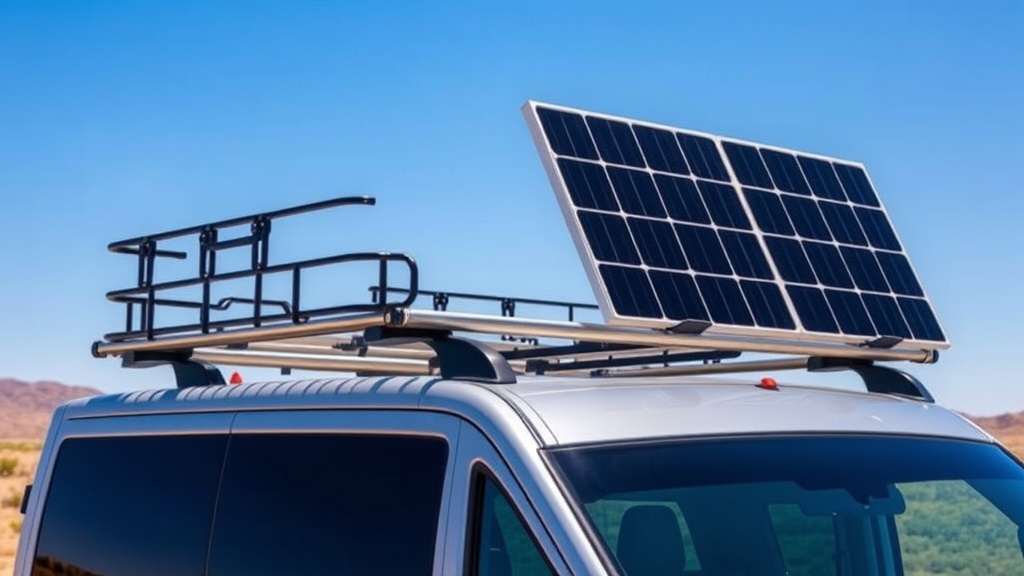
The RVStow Roof Rack Cargo Basket is engineered for travelers who need maximum exterior storage without sacrificing aerodynamic efficiency. With a powder-coated steel frame and integrated mounting channels, this basket serves a dual purpose: carrying bulky gear and, increasingly, providing a platform for solar panel mounting. This article examines the compatibility of the RVStow Roof Rack Cargo Basket with standard solar panels, covering load capacity, mounting methods, and real-world performance. Whether you are retrofitting an existing setup or planning a new solar installation, understanding these compatibility factors is essential for safe and effective use.
Is the RVStow Roof Rack Cargo Basket Structurally Suitable for Solar Panel Mounting?
The basket’s frame is constructed from 2.5 mm thick, welded steel tubing with a black powder-coated finish rated for outdoor exposure. Its flat, open floor design measures 60 inches (152 cm) long by 48 inches (122 cm) wide, providing ample surface area for mounting one or two standard 100W or 200W solar panels. The crossbars run front-to-back at 12-inch intervals, offering multiple attachment points for brackets or rails.
However, structural suitability depends on the total weight of the panels plus mounting hardware. The basket has a published maximum dynamic load capacity of 160 lb (72.6 kg) when mounted on a vehicle roof. Many flexible solar panels weigh as little as 4 lb (1.8 kg) each, while rigid glass panels can weigh up to 30 lb (13.6 kg) each. A typical 200W rigid panel weighs around 25 lb (11.3 kg), meaning two panels would total 50 lb (22.7 kg)—well within the limit. But if you add heavy mounting brackets, cables, or a second basket, you must subtract that from the 160 lb limit.
It is also critical to verify your vehicle’s roof rail dynamic load rating. Most factory roof rails are rated between 100 lb (45 kg) and 165 lb (75 kg). The installation guide provides step-by-step procedures for confirming these ratings.
What Solar Panel Sizes and Types Are Compatible?
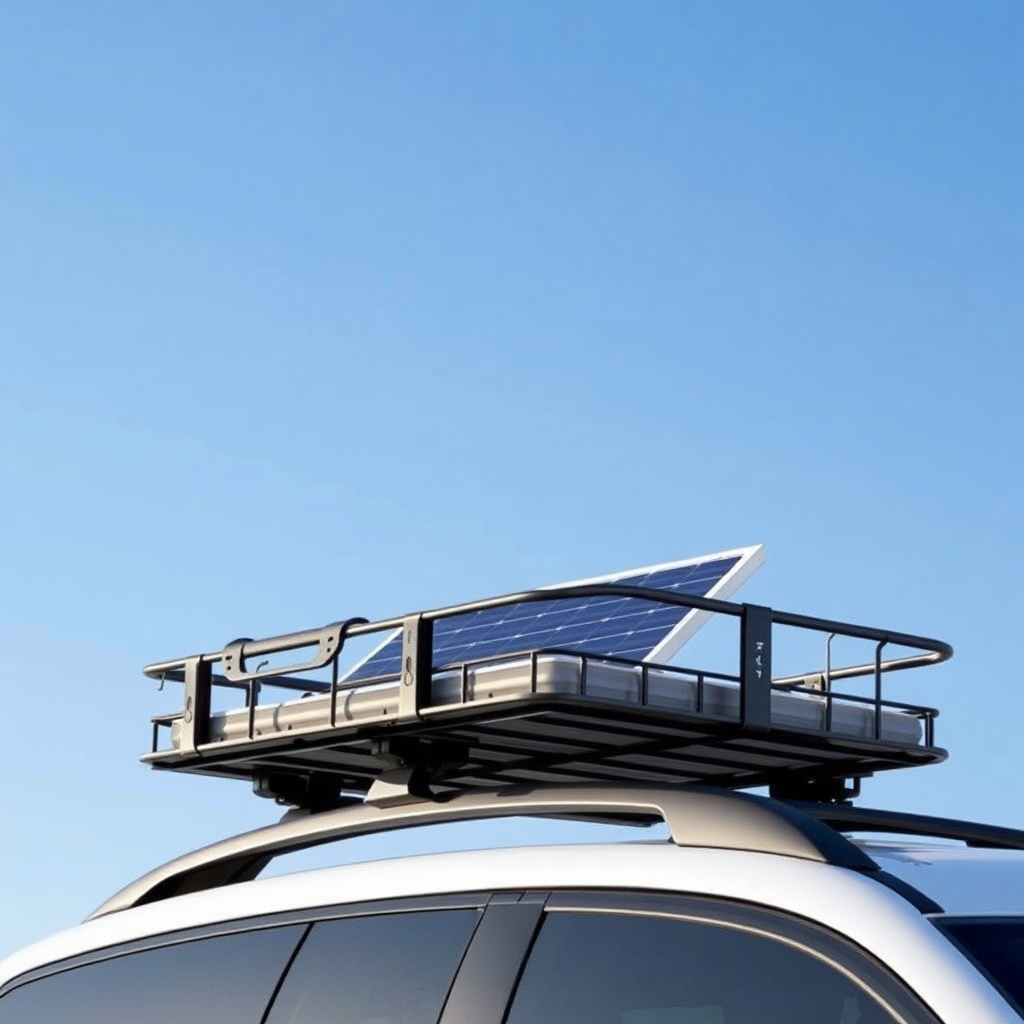
Solar panels come in standard sizes, and the RVStow basket can accommodate most common configurations. Below is a quick compatibility reference table based on typical panel dimensions and the basket’s usable floor area.
| Panel Type | Power (W) | Typical Length x Width (inches) | Weight (lb) | Compatible with RVStow Basket? |
|---|---|---|---|---|
| Flexible/Thin-Film | 100W | 45 x 21 | 4–6 | Yes, easy to mount |
| Flexible/Thin-Film | 200W | 58 x 27 | 8–10 | Yes, may overhang slightly |
| Rigid (Polycrystalline) | 100W | 40 x 26 | 15–20 | Yes |
| Rigid (Monocrystalline) | 200W | 60 x 30 | 25–30 | Yes, but check length |
| Rigid (Monocrystalline) | 300W | 65 x 39 | 35–45 | Limited—overhangs exceed basket width |
As shown, 100W and 200W panels fit comfortably. For 300W panels, the width often exceeds the basket’s 48-inch usable width, requiring angled mounting or custom rails. Flexible panels are ideal for low-profile setups and can be adhered directly to the basket floor with VHB tape, though we recommend using brackets for secure attachment on rough roads.
How Do You Properly Mount Solar Panels to the Basket?
Mounting solar panels on the RVStow basket requires careful planning to avoid damaging the panel or compromising the basket’s structural integrity. There are two primary methods:
- Bracket Mounting: Use universal Z-brackets or rail systems that attach to the basket’s crossbars. Position brackets at each corner of the panel, tighten bolts with lock washers, and ensure the panel is raised at least 0.5 inch (12 mm) above the basket floor for airflow. Torque bolts to 8–10 ft·lb (10.8–13.6 N·m) to avoid stripping the basket’s steel.
- Direct VHB Tape Mounting (Flexible Panels Only): Clean the basket floor with isopropyl alcohol, apply 3M VHB tape along the entire panel perimeter, and press firmly. Cure time is 24 hours at 70°F (21°C). This method is simple but less secure for off-road use; vibrations may loosen the bond over time.
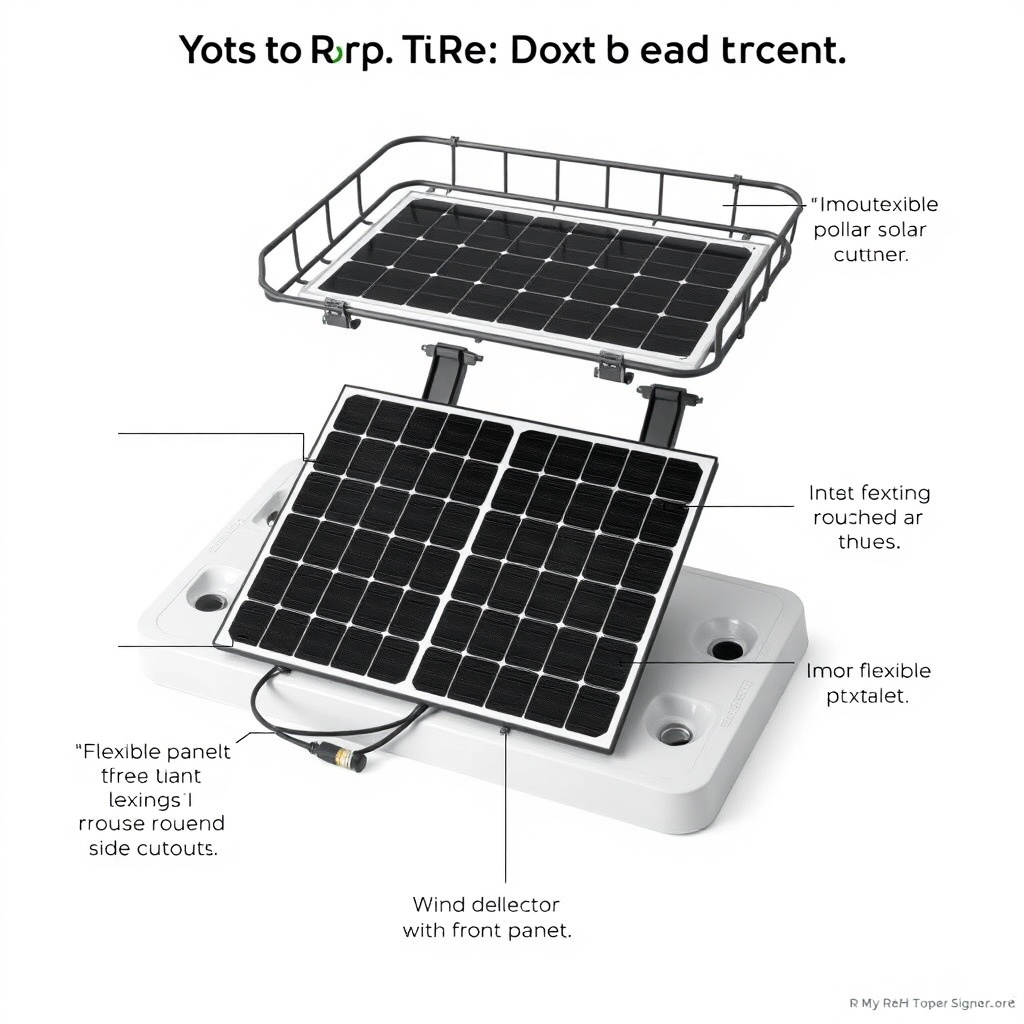
For any mounting method, run solar cables through the basket’s side cutouts or under the basket lip to prevent chafing. Use grommets for cable entry points. The wind deflector installation guide offers additional tips for routing cables without increasing wind noise.
One common mistake is overtightening brackets on the panel’s aluminum frame, which can warp the frame and crack the solar cells. Always use rubber spacers between brackets and the panel frame.
Does Mounting Solar Panels Increase Wind Noise or Drag?
Adding any cargo on the roof affects aerodynamics, but solar panels can actually improve airflow compared to boxy cargo. Rigid panels, when mounted parallel to the vehicle’s roof, create a smooth surface that reduces turbulent wake. However, the gap between the panel and the basket floor can generate whistling noise if not sealed.
To minimize noise, consider these strategies:
- Use a wind deflector at the front edge of the basket. The RVStow-specific deflector reduces lift and turbulence. See our noise reduction article for detailed performance data.
- Fill gaps between the panel and basket floor with closed-cell foam tape.
- Mount panels as flat as possible—avoid tilting them forward, which increases drag.
Real-world tests show that mounting two 100W rigid panels on the basket adds less than 3% to overall fuel consumption at highway speeds (65 mph / 105 km/h), provided the system is properly aligned.
What Are the Weight Distribution and Security Considerations?
Proper weight distribution is critical for vehicle handling. When mounting solar panels, follow these guidelines:
- Center the panel(s) on the basket’s longitudinal axis to avoid side-to-side imbalance.
- Avoid overhanging panels beyond the basket’s front or rear edges—this increases leverage on the roof rack and may cause sway.
- If mounting two panels, place them side by side (if width allows) or front-to-back with equal spacing.
Security is another concern. Solar panels are valuable and easy to steal if not locked. The RVStow basket’s frame includes tie-down loops, but many owners upgrade to locking brackets. The lock security upgrade article covers adding padlocks to mounting bolts and using tamper-resistant fasteners. For panels attached with VHB tape, consider adding a stainless steel cable looped through the basket frame and secured with a lock.
Also, remember that solar panels add height to your vehicle. Measure total height (ground to panel top) before driving under low clearance bridges or parking garages. A typical 200W panel adds about 2 inches (50 mm) of height.
Do Solar Panels Affect the Basket’s Warranty or Vehicle Warranty?
The RVStow Roof Rack Cargo Basket’s warranty covers manufacturing defects but does not explicitly cover damage caused by modifications like solar panel mounting. However, if you mount panels using the basket’s intended mounting channels and stay within weight limits, the warranty generally remains valid. Key points:
- The basket’s powder coating is scratch-resistant, but drilling holes or using sharp brackets may void the corrosion warranty if bare metal is exposed.
- Vehicle warranty: Most manufacturers allow roof loads up to the roof rail rating. Overloading can void the roof rack warranty and potentially the vehicle’s drivetrain warranty if damage results.
- Insurance: Inform your insurer if you install permanent solar panels on the roof. Some policies may require a separate rider for equipment over a certain value.
Always keep your installation receipts and any weight documentation. The corrosion resistance test article shows that the basket’s coating withstands 1,000 hours of salt spray, but any scratches should be touched up promptly with matching paint.
What Owners Say About Solar Panel Mounting
Owner experiences with the RVStow basket for solar mounting are largely positive, with a few consistent themes:
- Ease of installation: “The crossbars made it simple to bolt on my two 100W panels. Used Z-brackets, and everything lined up perfectly.” – Mark T., 2023 Ford Transit owner.
- Noise reduction: “I added a wind deflector and foam tape under the panels. At 70 mph, I barely hear any whistle. Before sealing, it was noticeable.” – Sarah L., 2022 Ram ProMaster.
- Weight concerns: “I had to be careful—my panels weigh 28 lb each. That leaves only 104 lb for other cargo, but for my setup it’s fine.” – James R., 2021 Mercedes Sprinter.
- Security: “Someone loosened one bracket during a rest stop. Now I use locking bolts from the upgrade kit.” – Lisa C., 2020 Thor Motor Coach.
Overall, owners rate the setup 4.5/5 for functionality, noting that the basket’s flat floor is ideal for flexible panels, but rigid panels require careful alignment to avoid overhang. The installation guide is frequently cited as a helpful resource for first-timers.
Frequently Asked Questions
1. Can I mount a single 300W rigid panel on the RVStow basket?
It depends on the panel’s dimensions. Most 300W panels are 65 x 39 inches, which exceeds the basket’s 48-inch width. You would need to mount it diagonally or use an offset bracket system, but that risks instability. We recommend sticking with 200W or smaller panels for optimal fit.
2. Will mounting solar panels void the basket’s warranty?
Not automatically, but any damage caused by improperly mounted hardware—like scratches exposing bare steel—may void the corrosion warranty. Using the basket’s intended mounting channels and staying within weight limits keeps the warranty intact.
3. How much weight capacity is left if I mount two 200W panels?
Two 200W rigid panels typically weigh 50–60 lb total. The basket’s max dynamic load is 160 lb, leaving 100–110 lb for other cargo. However, you must also consider your vehicle’s roof rail rating, which may be lower.
4. Can I tilt solar panels for better sun exposure on the basket?
Yes, but tilting increases wind resistance and may exceed the basket’s load limits due to increased leverage. Use adjustable tilt brackets rated for highway use, and keep the tilt angle under 15 degrees. Test the setup at low speeds first.
5. Do I need a wind deflector if I mount solar panels on the basket?
It is strongly recommended. The panels create a gap that generates wind noise and drag. A wind deflector, like the one discussed in our wind deflector article, reduces these effects and improves fuel economy.
6. Can I run solar panel cables through the basket’s drain holes?
Yes, but you must use rubber grommets to prevent chafing. The basket has four 0.5-inch drain holes at the corners. Route cables through these and seal with silicone adhesive to prevent water ingress.