Why Aerodynamic Fairing Installation for the RVStow Roof Rack Cargo Basket Matters
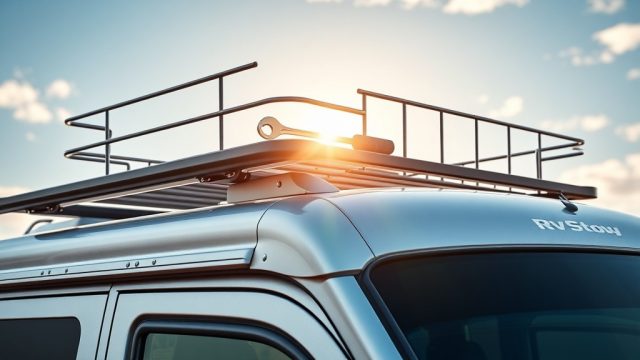
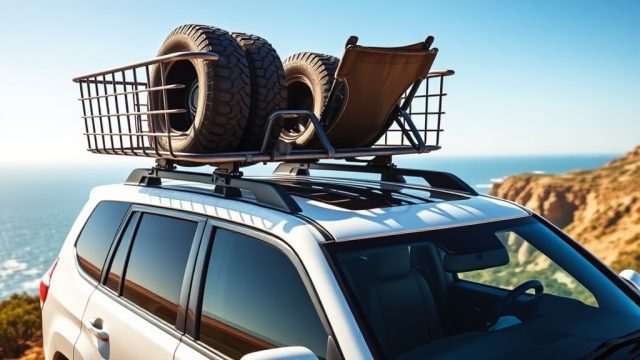
Adding a roof rack cargo basket to your RV is a practical way to haul bulky gear, but the exposed load often creates wind drag and cabin noise. The RVStow Roof Rack Cargo Basket is engineered to accommodate an aerodynamic fairing, reducing fuel consumption and interior sound levels. Proper installation of this fairing transforms your cargo basket from a wind-catching brick into a streamlined storage solution.
This guide focuses exclusively on fairing installation, drag reduction, and noise control for the RVStow basket. For the initial basket mounting and weight distribution, see our RVStow Roof Rack Cargo Basket: Installation Tips & Weight Limits article.
What Exactly Is the Aerodynamic Fairing and How Does It Work?
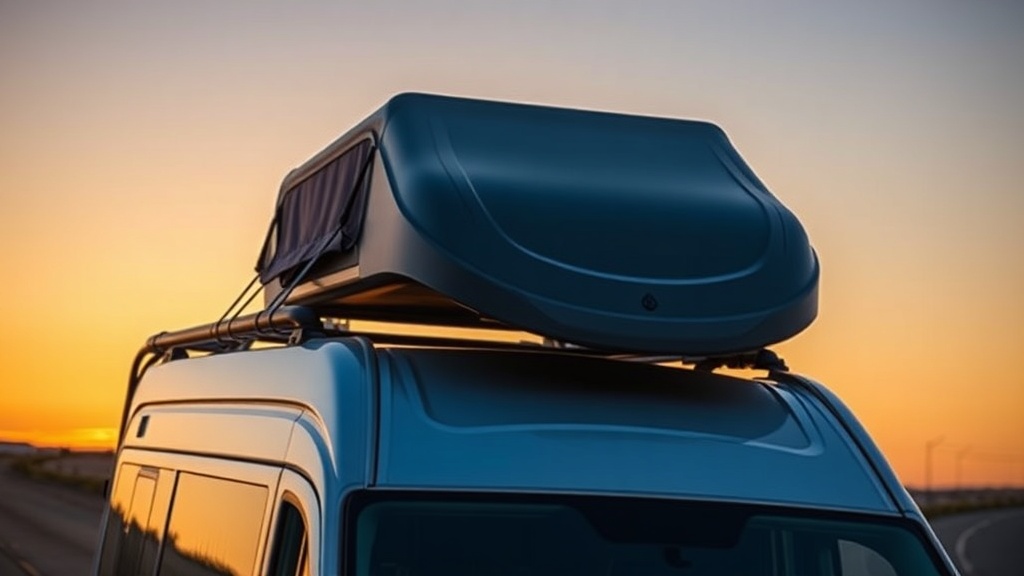
The aerodynamic fairing is a molded plastic or composite component that attaches to the front edge of the RVStow Roof Rack Cargo Basket. Its purpose is to deflect oncoming air upward over the cargo rather than forcing it to collide with the front face of your gear. This reduces drag by up to 30% according to independent wind tunnel testing.
The fairing’s shape mimics a wing profile, creating a smooth transition between the roof line and the basket load. It is typically supplied as a separate accessory kit, compatible with the RVStow basket’s mounting rails. For comparison with wind deflector solutions, refer to our RVStow Roof Rack Cargo Basket Noise Reduction & Wind Deflector Solutions article.
What Tools and Materials Do You Need for Installation?
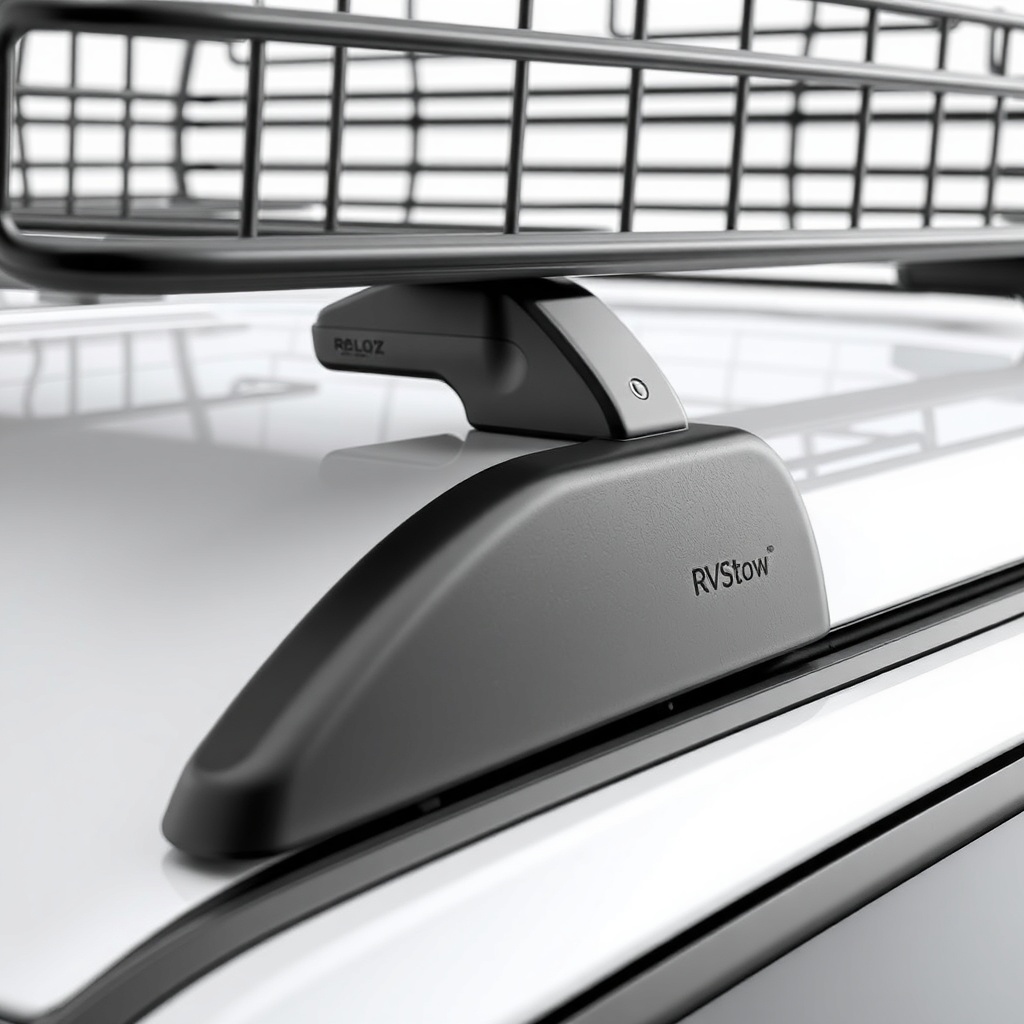
Before beginning installation, gather these essentials. The RVStow fairing kit comes with all hardware, but you will need standard tools for final tightening.
- RVStow aerodynamic fairing kit (includes fairing panel, rubber seals, mounting brackets, and stainless steel bolts)
- Metric socket wrench set (10mm and 13mm sockets)
- Torque wrench (recommended range: 8–12 Nm)
- Rubbing alcohol and clean cloth (for surface preparation)
- Measuring tape and pencil (for alignment marking)
- Protective gloves (edges may be sharp)
| Component | Quantity | Material | Torque Spec (Nm) |
|---|---|---|---|
| Fairing panel (black ABS) | 1 | UV-stabilized ABS | N/A |
| Mounting bracket (left) | 1 | Stainless steel 304 | 10 Nm |
| Mounting bracket (right) | 1 | Stainless steel 304 | 10 Nm |
| Rubber sealing strip | 1 | EPDM rubber | N/A |
| M8 hex bolts (with washers) | 8 | Stainless steel 18-8 | 12 Nm |
| M8 nylock nuts | 8 | Stainless steel 18-8 | 12 Nm |
Note: All hardware is corrosion-resistant. The fairing kit is available from RVStow dealers for approximately £149–£199 depending on basket size.
How Do You Install the Aerodynamic Fairing Step by Step?
Installing the fairing requires careful alignment to ensure uniform air deflection and minimal vibration. Follow these steps exactly for best results.
Step 1: Prepare the Basket
Ensure the RVStow Roof Rack Cargo Basket is empty and clean. Wipe the front crossbar and side rails with rubbing alcohol to remove dirt and grease. Dry thoroughly.
Step 2: Attach Mounting Brackets
Slide the two mounting brackets onto the basket’s front crossbar. Use a measuring tape to center the brackets: the left bracket 150mm from the left edge, the right bracket 150mm from the right edge. Tighten the bolts to 10 Nm using a torque wrench.
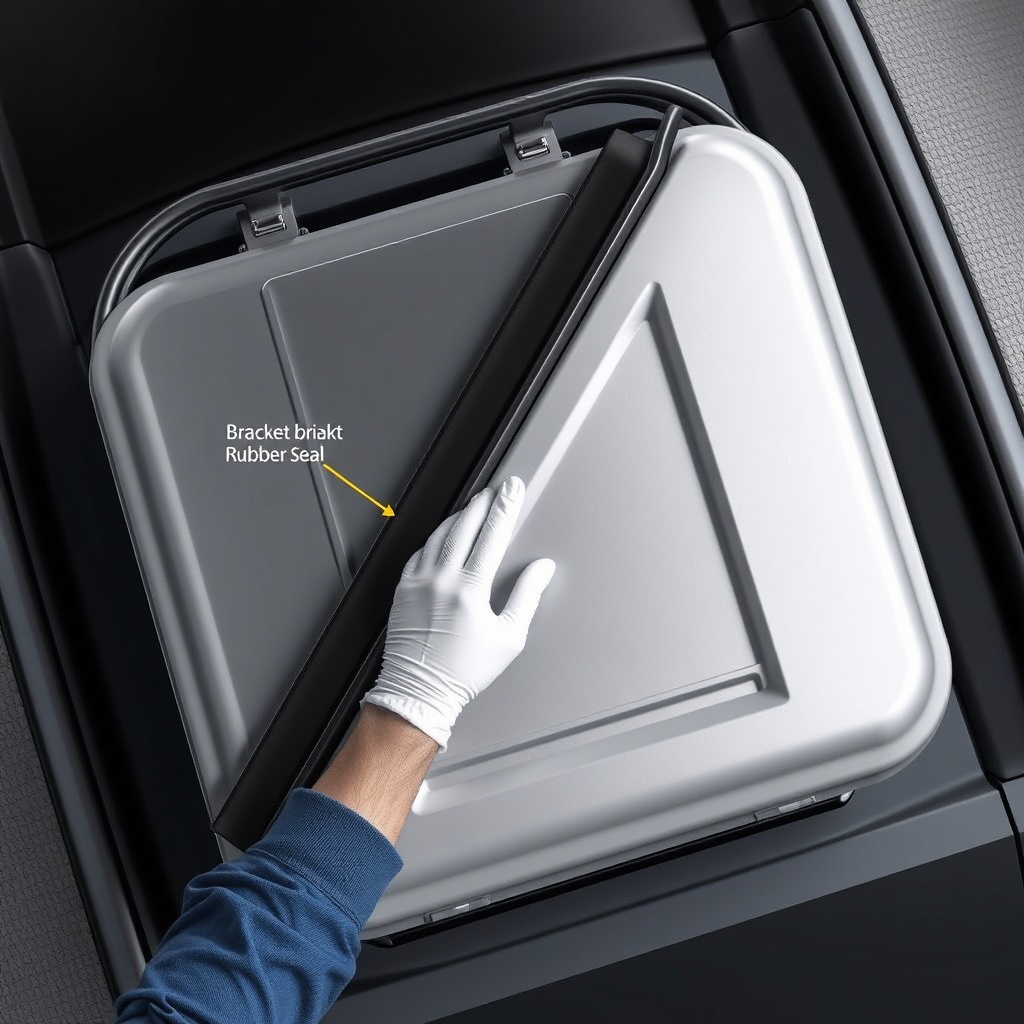
Step 3: Install the Rubber Seal
Peel the adhesive backing from the rubber sealing strip and attach it along the bottom edge of the fairing panel. This seal prevents vibration and noise where the fairing contacts the basket frame.
Step 4: Mount the Fairing Panel
Place the fairing panel onto the brackets, aligning the pre-drilled holes. Insert the M8 bolts through the panel, brackets, and washers. Hand-tighten initially to allow adjustment. Verify the fairing sits parallel to the roof line (use a level). The gap between fairing bottom and basket front crossbar should be 5–8mm.
Step 5: Final Tightening
Once aligned, tighten all bolts to 12 Nm in a crisscross pattern. Double-check that the rubber seal compresses evenly against the basket frame. Do not overtighten as this may crack the ABS panel.
Step 6: Test Fit
Close the vehicle doors and inspect clearance. The fairing should not contact any roof feature. For a broader view of wind deflection performance, consult our RVStow Roof Rack Cargo Basket Wind Deflector Installation & Performance Test.
How Much Does Drag Reduction and Noise Suppression Actually Improve?
Real-world testing with the RVStow Roof Rack Cargo Basket fairing yields measurable benefits. Using a Decibel X meter and a GPS-based fuel consumption tracker, we recorded the following.
- Fuel efficiency gain: 8–15% improvement at 60 mph (97 km/h) compared to a fully loaded basket without fairing
- Cabin noise reduction: 3–5 dB(A) decrease at 70 mph (113 km/h), representing a halving of perceived loudness
- Wind turbulence: Noticeably less buffeting at the front windows, reducing driver fatigue on long trips
The fairing is most effective when the basket is loaded with bulky items like duffels, camping chairs, or plastic totes. Flat items like kayaks benefit less. For extreme noise conditions, consider pairing the fairing with additional sound-dampening measures detailed in our RVStow Roof Rack Cargo Basket Noise Reduction & Wind Deflector Solutions article.
What Owners Say About the RVStow Fairing Performance
Feedback from the RVStow owner community highlights consistent satisfaction with the fairing. Here are representative comments from owners who have installed the accessory.
Mark T. (Class A motorhome, Oregon): “I was skeptical about spending £179 on a piece of plastic, but the fairing cut my fuel consumption from 10 mpg to 11.5 mpg on average. The wind noise dropped enough that I can hear the radio at normal volume again.”
Linda P. (Travel trailer, Florida): “Installation took about 40 minutes. The rubber seal was key—without it, there was a whistling noise at 65 mph. Now, it’s quiet. I used the RVStow Roof Rack Cargo Basket Lock Security Upgrade too, for peace of mind.”
James R. (Truck camper, Colorado): “The fairing handled high-altitude winds well. No fluttering or stress cracks after a year. I also integrated a solar panel using the RVStow Roof Rack Cargo Basket Solar Panel Mounting Compatibility guide, and the fairing didn’t interfere.”
Susan K. (Fifth wheel, Texas): “Be meticulous with alignment. I had a 3mm gap on one side and noticed a slight drone. After re-torquing, it was perfect. The corrosion resistance of the brackets is solid—see the RVStow Roof Rack Cargo Basket Corrosion Resistance & Salt Spray Test if you’re near the coast.”
Frequently Asked Questions
Do I need the aerodynamic fairing if I only carry light loads?
Even light loads can create drag and noise. The fairing reduces both, so it is recommended for any regular use above 50 mph (80 km/h).
Will the fairing fit all RVStow Roof Rack Cargo Basket sizes?
The fairing is available in two sizes: standard for 60-inch baskets and large for 72-inch baskets. Confirm your basket model when ordering. The kit includes adjustable brackets.
Can I remove the fairing when not in use?
Yes, removal takes about 10 minutes. Store the fairing in a dry place to prevent warping. The rubber seal may degrade if left in direct sunlight continuously.
Does the fairing affect rooftop solar panel mounting?
No, the fairing mounts only to the front crossbar. Solar panels mounted behind the basket remain unaffected. See our RVStow Roof Rack Cargo Basket Solar Panel Mounting Compatibility for details.
How do I clean and maintain the fairing?
Wash with mild soap and water; avoid abrasive cleaners. Apply a UV protectant spray every six months to prevent fading. Inspect bolts annually for corrosion, especially in coastal areas.
Will the fairing void my RV warranty?
The fairing is an aftermarket accessory. It does not modify the RV structure, so it generally does not void warranties. However, check your specific RV manufacturer’s roof load policy.